The Symbiotic Paradox: AI, Supply Chains and South Africa
AI is sold as the fix for broken supply chains — but the buildout strains…
The Hormuz crisis pushed the rand to a three-week low near R16.60 and revived Cape diversions. SA importers now face a currency, fuel and freight squeeze at once.
On 9 June the rand slid to a three-week low of roughly R16.60 to the dollar as the Strait of Hormuz crisis flared again and investors fled to safety. For South African importers this is not a distant geopolitical headline; it is a live cost event hitting three separate lines of the landed-cost calculation at the same moment — the currency they buy in, the fuel that moves their cargo, and the freight rate carriers charge to sail the long way round Africa. The three rarely move against an importer in unison. This week they have.
Brent crude eased to about $94 a barrel in early June after Iran and Israel agreed to halt attacks on one another, down from a spike that briefly broke $100 at the height of the confrontation. The relief is partial: the Strait of Hormuz remains effectively closed under a dual blockade by the United States and Iran, choking the world's single most important oil and gas chokepoint. The International Maritime Organization reported on 21 April that roughly 20,000 mariners and 2,000 ships were stranded in the Persian Gulf, with tanker traffic through the strait having collapsed by around 70 per cent before falling close to zero.
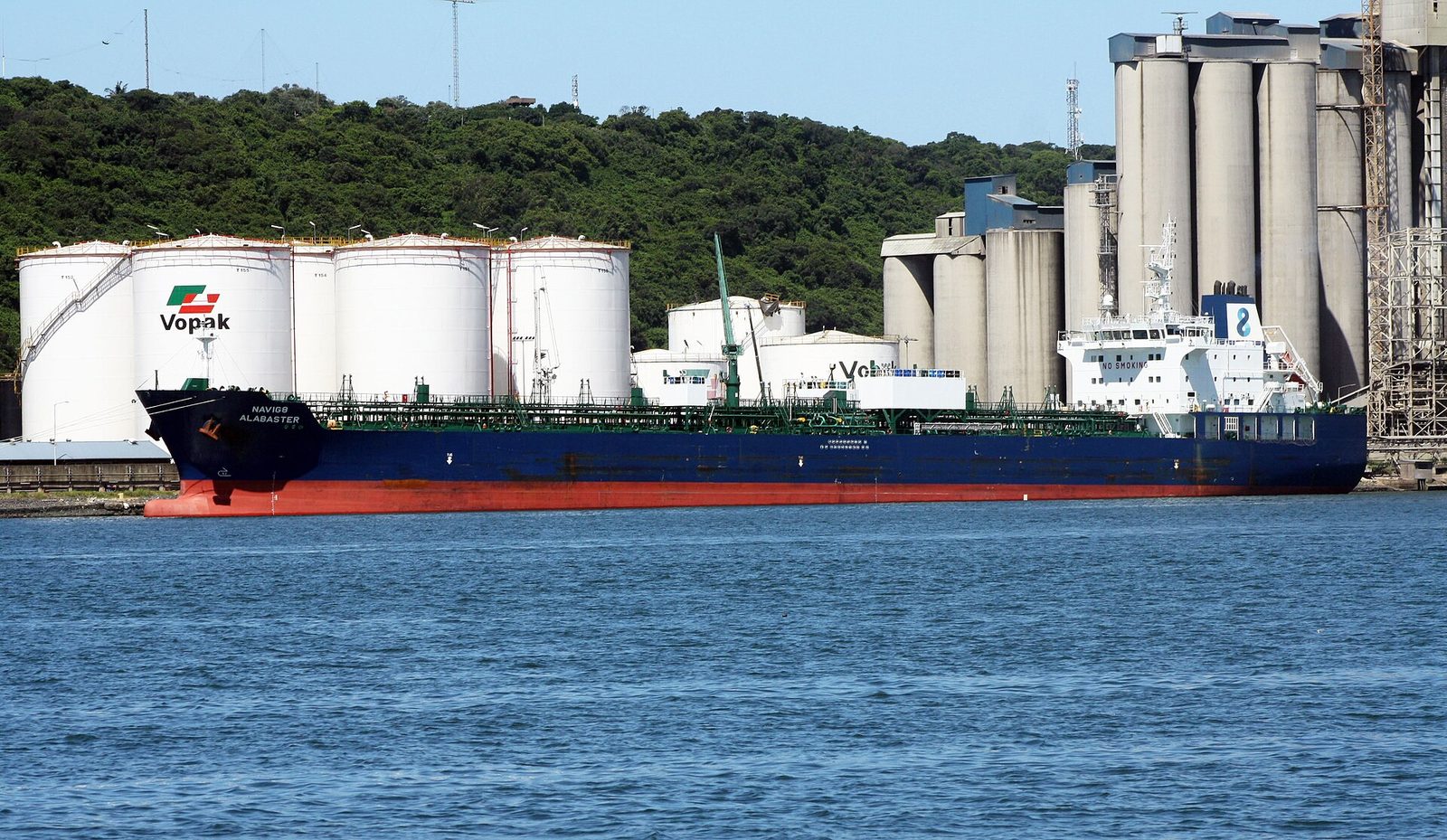
The shipping consequence reaches straight to South Africa's coastline. After a brief return to the Suez Canal, carriers were forced back around the Cape of Good Hope when Houthi forces resumed attacks on Red Sea shipping on 28 February, following the US–Israeli strikes on Iran. Maersk, Hapag-Lloyd and CMA CGM are again routing vessels around the Cape, a diversion that adds some 3,500 nautical miles and 10 to 14 days to a sailing. Freight costs on the worst-affected lanes have climbed 30 to 50 per cent, and lines have created an entirely new charge category — the Emergency Conflict Surcharge, running at $2,000 to $4,000 per container on top of existing base rates and war-risk surcharges. The rand's slide to R16.60, its weakest in nearly three weeks, was driven by the same Middle East risk-off mood, compounded by softer gold and platinum-group-metal prices that usually cushion the currency.
Take the currency line first, because it touches every dollar-denominated invoice regardless of route. At R16.60, an importer carrying a $500,000 monthly dollar bill is paying close to R455,000 more than they would have at the rand's January strength of R15.69 — purely on the exchange rate, before a single surcharge is added. That is the difference between a comfortable margin and a renegotiated price list, and it lands on goods already on the water that were quoted weeks ago on a stronger rand.
The freight line is sharper still for anyone shipping on an affected lane. A single forty-foot container now carries an Emergency Conflict Surcharge of $2,000 to $4,000 — at today's rate, R33,000 to R66,000 per box on top of base freight and the longer Cape transit. The extra 10 to 14 days is its own cost: it stretches the cash-conversion cycle, forces larger safety stock, and pushes order lead times out exactly when importers are trying to hold inventory lean. For exporters the timing is unkind. Citrus is at the height of its season through Durban and the Eastern Cape, and a fortnight of added transit on a perishable cargo is the difference between arriving in spec and arriving distressed — against Peruvian and Egyptian competitors who do not face the same diversion.
Then there is fuel. Elevated crude feeds diesel and bunker prices, and that compounds a domestic cost importers are already absorbing: Transnet Port Terminals' floating fuel-neutrality charge, which reached a record R78 per container on 1 June. A trader running 200 containers a month is therefore being squeezed from the quay and the open ocean at once — a regulated domestic surcharge layered beneath an international conflict premium.
The optimistic reading is that South Africa should be a net winner here. Every box that reroutes around the Cape passes within reach of its ports, and a prolonged Hormuz disruption ought to hand Durban, Cape Town and Algoa Bay a bunkering, ship-repair and transshipment windfall worth real foreign currency. That is the theory. The execution gap is severe and self-inflicted. South African bunker volumes fell to roughly 80,000 tonnes a month in 2024 from about 130,000 tonnes a month in 2023, after a SARS tax crackdown at Algoa Bay gutted the country's offshore refuelling capacity at precisely the moment global rerouting made that anchorage valuable. The continent's bunkering hubs are gaining from the diversions; South Africa, historically the largest of them, is watching much of the traffic refuel elsewhere.
There is also a counter-risk for importers tempted to treat R16.60 as a new floor. The rand's move is heavily safe-haven and commodity-driven rather than structural, and Brent has already retreated to $94 on hopes of a negotiated peace. A genuine de-escalation, or a reopening of Hormuz, could unwind both the currency weakness and the freight premium quickly — punishing anyone who locks in long-dated cover at the panic rate or front-loads inventory at the surcharge peak. This is a volatility event, not a confirmed plateau, and it should be hedged as one.
The disciplined response is to separate the two halves of this shock. The currency exposure is real and immediate: importers with confirmed dollar liabilities on cargo already booked should take forward cover now on those specific obligations rather than gambling on a peace dividend that may or may not arrive. The freight premium, by contrast, should be modelled as a band — build the $2,000-to-$4,000 Emergency Conflict Surcharge explicitly into landed-cost quotes and renegotiate Incoterms so the surcharge is passed through rather than silently absorbed into a fixed price. Do not bet the inventory plan on either the spike holding or collapsing; plan for both.
The harder truth sits with policy, not procurement. South Africa is being handed, for the second time in two years, a strategic dollar-earning industry by forces entirely outside its control — and for the second time it cannot bank it because of a regulatory own-goal. The tax-certainty gap that hollowed out Algoa Bay's bunkering capacity is now costing the country far more than the revenue the crackdown was meant to protect. Fixing the offshore-bunkering framework so that the ships streaming past the Cape can refuel under South African flag is worth more to the trade balance than any single tariff tweak on the table this year. The currency and the oil price will move with the war. Whether South Africa profits from the traffic it cannot stop sailing past is the one variable still in its own hands.