SA Aims Anti-Dumping at a Neighbour: Mozambican Steel Pipe in the Net
SARS gazetted a provisional anti-dumping duty on large-diameter steel pipe from Mozambique on 18 June…
A definitive 52.34% WTO safeguard duty on flat-rolled steel took effect on 12 June 2026 and stacks on Report 764, pushing headline duty on imported coil past 62%.
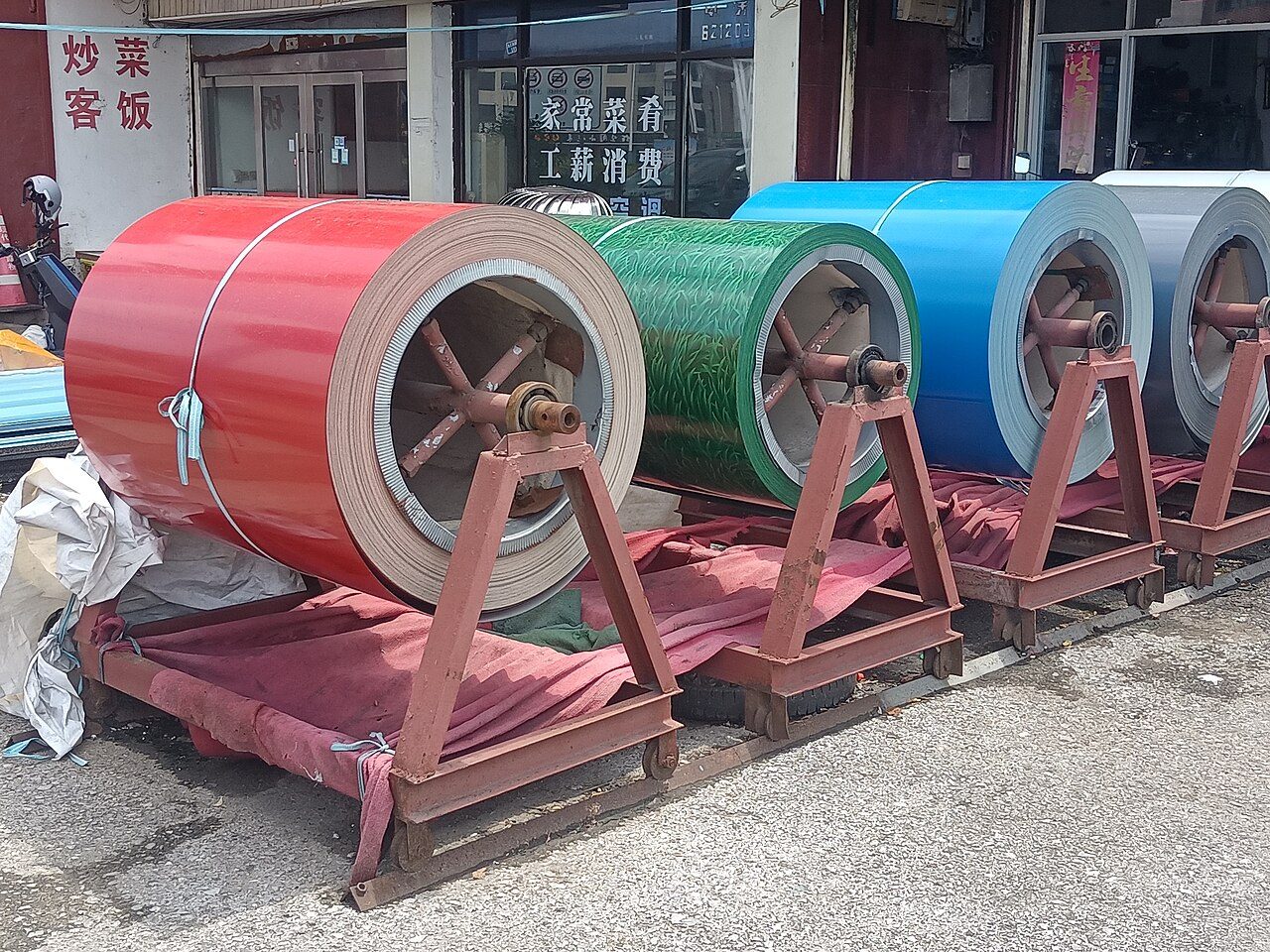
South Africa's steel importers have just been hit with a second duty, and it is far heavier than the first. On 12 June a definitive safeguard duty of 52.34% took effect on flat-rolled steel under Chapter 72 of the tariff schedule — and on 15 June the International Trade Administration Commission (ITAC) recommended extending the same measure to coated coil. Stacked on the ad valorem overhaul already enacted under Report 764, the headline duty on a tonne of imported coil now clears 62%.
The new measure is a safeguard, not an ordinary tariff — and the distinction matters. Acting on ITAC Report 768, the South African Revenue Service published the definitive safeguard into Part 3 of Schedule No. 2 to the Customs and Excise Act, with effect from 12 June 2026. It applies to flat-rolled products of iron, non-alloy steel and other alloy steel classifiable under Chapter 72, and it is structured as a declining three-year wall: 52.34% in the first year to 11 June 2027, 37.34% in the second, and 22.34% in the third, expiring on 11 June 2029. Unlike an anti-dumping duty, which targets a named exporting country, a World Trade Organisation safeguard is an emergency measure applied to imports from every origin at once — with one carve-out: developing countries from which imports do not exceed 3% of the total are exempt.
The intervention did not arrive alone. Three days later, on 15 June, ITAC recommended a parallel three-year safeguard on imports of thin-gauge corrosion-resistant steel coil, on the same 52.34%/37.34%/22.34% schedule, backing an application from ArcelorMittal South Africa whose investigation was gazetted on 25 July 2025. The same June gazette also lifted the anti-dumping duty on polyethylene terephthalate from China from 28.89% to 43.77%. Read together, these are not isolated notices; they are the leading edge of the most protectionist phase of South African trade policy in a generation, with safeguard probes into hot-rolled and cold-rolled coil understood to be in their final stages.
The commercial sting is in the stacking. A safeguard sits in Schedule 2 and is levied in addition to the ordinary customs duty in Schedule 1 — it does not replace it. So an importer of flat-rolled coil now pays the up-to-10% ad valorem rate that Report 764 placed on that band, plus the 52.34% safeguard on top, taking the combined headline duty past 62% of the landed cost before VAT is even calculated. Because duty is assessed on the date of entry, cargo that left Qingdao or Rotterdam weeks ago — priced and financed against the old schedule — clears at the new rate regardless. There is no grandfathering for goods on the water.
The pain does not stop at the importer's gate. Flat-rolled and coated coil is the raw input for the country's largest manufactured export — vehicles — as well as for appliance makers, fabricators, roofing and construction. Every one of those downstream users now buys a dearer input, and exporters who must compete on world prices cannot pass the cost on. The 3% developing-country exemption does create a sourcing lever: importers who audit their HS classifications and origins carefully may legitimately re-route to qualifying suppliers. But that is a planning exercise measured in months, not the relief a buyer with a letter of credit struck in April needs this week.
The official case is not frivolous. ArcelorMittal South Africa's long-steel business has hovered on the edge of closure, and a domestic steelmaking capability is a strategic asset that a re-industrialising economy is reluctant to surrender to subsidised Chinese and Asian coil. A declining, time-limited safeguard is, on paper, the textbook tool: short-term breathing space that forces the local producer to adjust before the wall comes down in 2029.
The execution gap is the problem. A safeguard applied to all origins is a blunt instrument, and the 3% exemption is precisely the seam through which it leaks — the classic failure mode is trade deflection, where importers simply shop for an origin that qualifies for the carve-out and the protected mill sees little of the promised relief. Meanwhile Freight News has reported the warning from downstream manufacturers that a safeguard on hot-rolled steel will raise their input costs faster than it creates jobs upstream. The deeper risk is that the duty treats the symptom. ArcelorMittal's uncompetitiveness owes as much to electricity costs and Transnet's rail and port constraints as to import pricing — and a 52% wall does nothing to repair that cost base. If the breathing room is banked as margin rather than spent on fixing the plant, South Africa will have made imports dearer and exports harder in a single move.
Treat this as a live cost event, not a consultation. Re-price every flat-rolled and coated-coil shipment against the stacked Schedule 1 plus Schedule 2 rate today; audit your Chapter 72 tariff headings before SARS does it for you; and map the developing-country exemption deliberately, because legitimate re-sourcing is now the single biggest lever on your landed cost. Do not assume cargo in transit is protected — it is not.
On the policy, our position is unambiguous. A safeguard can be defensible, but stacking 52% on top of the Report 764 overhaul — without addressing the energy and logistics costs that hollowed out the local mill in the first place — is a transfer from the downstream to a single producer dressed as industrial strategy. The duty will hold for now; circumvention through the 3% seam will steadily erode it; and the burden will land squarely on the automotive and fabrication exporters the policy claims to defend. The only question that matters is whether ArcelorMittal uses three protected years to become competitive or merely to survive — and the recent history of state-backed steel rescues gives little cause for optimism.