Washington's 12.5% Forced-Labour Tariff Puts SA Exporters on the Clock
The US has proposed an extra 12.5% tariff on all South African goods over a…
China's zero-tariff scheme now covers South African goods, scrapping duties up to 30% on citrus, wine and processed exports — but a 2028 sunset tempers the win.
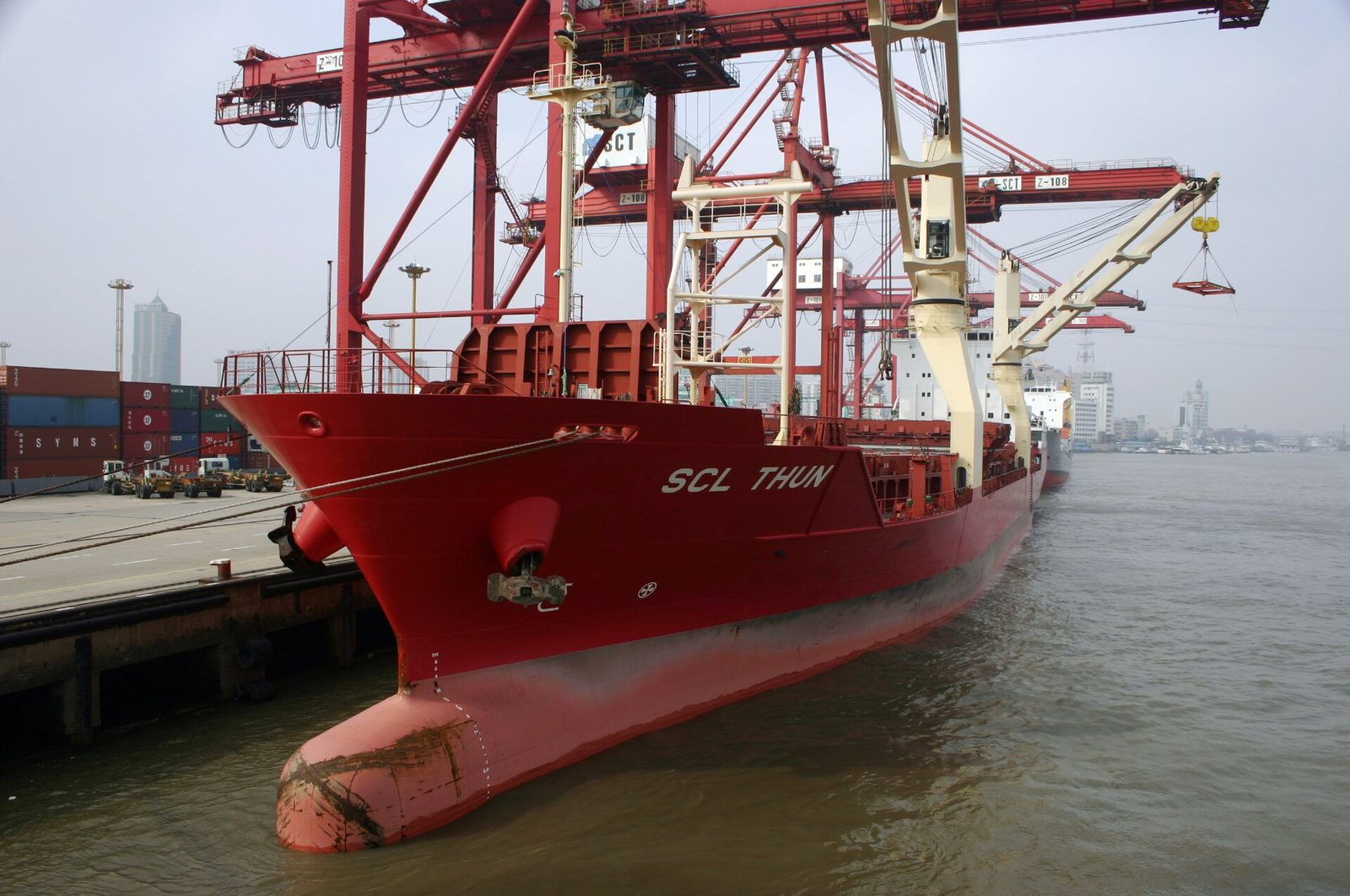
As of 1 May, almost every South African export line can in principle enter the world's second-largest economy duty-free. On 1 June, SARS finalised the framework that tells exporters how to actually claim that preference. For an industry whose citrus earnings have only just cracked R39 billion, this is the most consequential market-access shift in a decade — provided exporters can clear the paperwork before the window closes in April 2028.
On 14 February 2026, Chinese President Xi Jinping announced that from 1 May, all 53 African countries that maintain diplomatic relations with Beijing would receive zero-tariff access to the Chinese market. The move extends a policy that, since December 2024, had already zero-rated 100% of tariff lines for 33 African least-developed countries. The 2026 expansion folds in the remaining middle-income economies that had been excluded — South Africa among them, alongside Nigeria, Kenya, Egypt and Morocco.
For South African shippers the substance is in the goods that were previously dutiable. Citrus, wine, processed foods, light manufactures and apparel had faced Chinese tariffs ranging from roughly 8% to 30%. Those rates now fall to zero. This is not a marginal trim; for several agro-processing lines it removes the single largest cost between the packhouse and the Chinese consumer.
SARS has now closed the implementation gap. The zero-duty preference runs from 1 May 2026 to 30 April 2028. From 1 June, the revenue service introduced a simple printable certificate-of-origin format, and confirmed it will issue certificates retrospectively for qualifying goods that shipped or cleared after 1 May, so consignments already in transit are not stranded outside the scheme. Exporters must prove origin against the rules and present a valid SARS certificate; queries route to [email protected]. Critically, not every line qualifies automatically — some remain subject to tariff-rate quotas and specific conditions.
Take citrus, the most concrete case. In 2025, South Africa shipped roughly 11.5 million cartons to China and Hong Kong — about 6% of total citrus exports — against a record industry haul that surpassed two billion dollars for the first time, reaching an estimated 2.47 billion dollars, or about R39 billion. A navel-orange line that previously absorbed a double-digit import duty now lands in Guangzhou tariff-free. That is margin an exporter can either bank or redeploy as price competitiveness against Australian, Egyptian and Peruvian fruit fighting for the same shelf.
The timing matters because the rand is working against exporters at the same moment the tariff is working for them. The USD/ZAR rate sat near 16.23 at the start of June, with the currency up more than 9% over the past twelve months and firmer still since the Reserve Bank's 25-basis-point hike — its first since 2023. A stronger rand erodes export competitiveness in dollar terms, so duty-free access to China is a timely offset rather than a windfall stacked on top of an already favourable exchange rate.
For importers the headline is more muted: this is an export-side scheme, so it changes nothing on the duty a Cape Town or Johannesburg buyer pays on inbound Chinese goods. The actionable item for the import-export community is narrow and administrative — get the rules-of-origin certification process running now, because the preference is worthless to a consignment that cannot document where it was made.
Three structural problems sit behind the celebratory headlines. The first is rules of origin. South African value-added exports frequently carry a high proportion of imported input content — a great deal of it, ironically, Chinese — and goods that fail the local-content threshold do not qualify, regardless of where they were assembled. The very processed and manufactured lines that stand to gain most from tariff removal are the ones most exposed to disqualification. The second is the tariff-rate quotas SARS has flagged: the most valuable lines can be capped, so volume beyond the quota reverts to standard duty and the preference becomes a ceiling rather than a clearance.
The third, and most damaging, problem is at home. A zero tariff in Shanghai is undercut by the cost of getting a container to the quay in Durban. Transnet Port Terminals raised its fuel-neutrality charge to R78 per container from 1 June, up from R52 only a month earlier, and the Ports Regulator has already approved a weighted-average port tariff increase of 7.57% for 2026/27. South Africa's competitive bulk exports — iron ore, manganese, chrome — largely faced low or zero Chinese duty already, which means the marginal gain from this scheme accrues precisely to the containerised, value-added cargo that is most sensitive to port cost and most exposed to Transnet's capacity constraints. The destination opened up; the bottleneck did not move.
This is the biggest market-access event for South African agriculture in a decade, and exporters of citrus, wine, table grapes and nuts should be filing for rules-of-origin certification this month rather than next quarter. But it should be read for what it is — an agriculture and agro-processing opportunity, not a manufacturing renaissance. The high imported-input content of South Africa's manufactured goods will keep most of them outside the gate.
The decisive variable is not the Chinese tariff schedule; it is whether Transnet can move the boxes to the quay at a competitive cost before the window shuts. A two-year preference is too short to justify new processing capacity or long-dated capital expenditure, and prudent exporters will treat it as a margin opportunity on existing volumes, not a reason to restructure their supply chains around Beijing. The real work for government is to bank the win: press for the preference to be made permanent and contractually binding before April 2028, and fix the port economics that quietly tax every container leaving the country. Tariff relief abroad means little if the cost of departure keeps climbing at home.