Transnet's R78 Container Charge Lands Just as Diesel Prices Fall
Transnet Port Terminals lifted its fuel neutrality container charge to a record R78 from 1…
The World Bank named Durban the world's most improved container port. We assess whether ICTSI's six-month-old privatisation can build on a recovery it did not start.
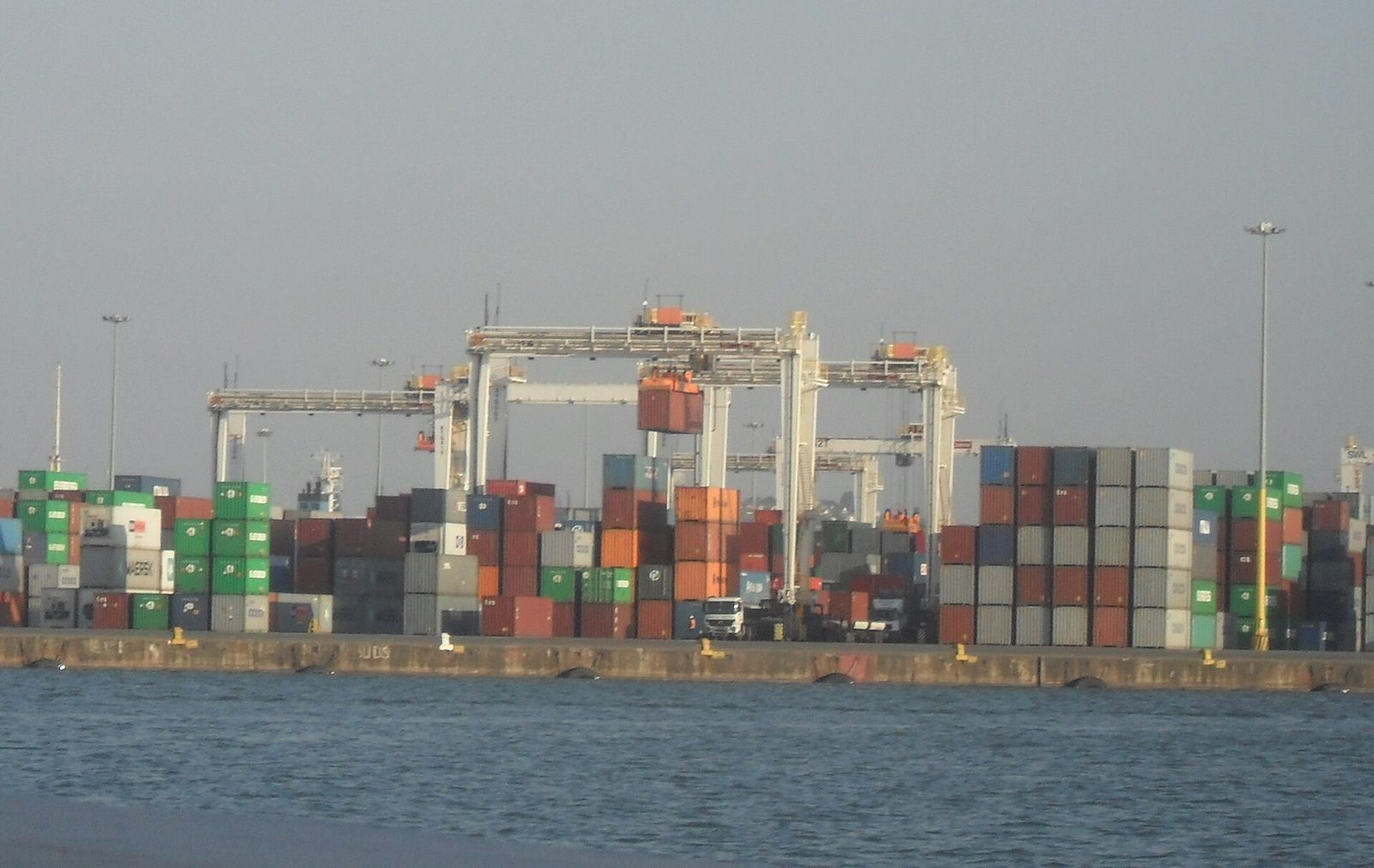
On 13 June the World Bank handed South Africa's logistics sector a headline it has not seen in a decade: the Port of Durban was named the world's most improved container port. For a harbour the same index ranked dead last only two years ago, that is a genuine turnaround — and it lands precisely six months into the most consequential structural change in South African port history, the handover of Durban's busiest terminal to a private operator. The temptation to draw a straight line between the two is strong. It is also wrong, and understanding why matters more to importers than the ranking itself.
The World Bank's Container Port Performance Index, produced with S&P Global Market Intelligence, measures how quickly ships are worked across a full calendar year. Durban's leap up the table is real: the 2024 edition placed it effectively last among the hundreds of ports assessed, and earlier rankings put it in the bottom three globally, so any movement off the floor is meaningful. But the index measures the prior year's performance. The data behind this week's "most improved" badge is overwhelmingly 2024 and early-2025 throughput — a period when Durban Container Terminal Pier 2 was still run entirely by Transnet Port Terminals, not by its new private operator.
That operator is International Container Terminal Services Inc (ICTSI), the Manila-based group controlled by the billionaire Enrique Razon. ICTSI was named preferred bidder back in April 2023 and awarded the concession that July, but the deal sat frozen for two years while AP Moller-Maersk's terminal arm, APM Terminals, fought it in court — arguing that ICTSI had leaned on market capitalisation rather than balance-sheet equity to clear Transnet's solvency test. ICTSI had bid roughly R12 billion (about $642 million) and scored a perfect mark; APM's R9.2 billion bid scored 83 per cent. A South African court dismissed the challenge on 10 October 2025, criticising Maersk for an "undue delay" in bringing it. The 25-year partnership was finally signed on 10 December 2025, and the joint-venture company took over Pier 2's operations on 1 January 2026. So the recovery the World Bank is now applauding happened before ICTSI turned a single crane. The privatisation inherited an improving asset; it did not create one.
This distinction is not academic, because the targets ICTSI has signed up to are far more ambitious than the recovery so far. Under the agreement, the terminal's gross crane moves per hour are meant to rise from 18 to 28, ship working hours from 60 to 120, and annual capacity from two million to 2.8 million twenty-foot equivalent units, on the back of an upgrade programme worth around R11 billion (roughly $638 million). For the importer and exporter, those numbers translate directly into money. A terminal that works a ship at 18 moves an hour leaves vessels idling at anchor, and every day a box sits unworked is a day of demurrage, a missed onward connection, and working capital trapped in cargo that has technically arrived but cannot be cleared.
Lift crane productivity to 28 moves and double the ship working hour, and the arithmetic reverses: faster vessel turnaround, fewer anchorage queues, more reliable sailing schedules, and a meaningful cut in the demurrage and detention charges that quietly inflate the landed cost of everything from automotive components to retail stock. The extra 800,000 TEU of capacity matters just as much for the export side — it is the headroom a record citrus crop and a recovering vehicle-export sector need if Durban is not to become the ceiling on South Africa's trade ambitions. Pier 2 handles the single largest share of the country's containerised trade; what happens on its quay is a national cost line, not a Durban one.
The honest reading of mid-2026 is that ICTSI is still bedding the operation down — stabilising, not transforming. That is exactly what one should expect. New ship-to-shore cranes and straddle carriers are ordered years, not quarters, in advance; you do not lift a terminal from 18 moves an hour to 28 by changing the logo on the gate. The R11 billion is a multi-year capital programme, and the productivity step-change it is meant to buy will show up in the 2027 and 2028 indices, not this one. Reading this week's ranking as proof the privatisation is "working" risks declaring victory on the strength of the previous management's last full year.
There are harder constraints, too. The new entity is a joint venture, not an outright sale — Transnet retains a stake, and with it the legacy labour arrangements, IT systems and institutional habits that private management cannot simply overwrite. More fundamentally, a fast quay is worthless if the cargo cannot reach it: the rail and road links into Durban remain Transnet's responsibility, and a world-class terminal fed by an unreliable freight-rail corridor merely relocates the bottleneck from the water to the land. And when the deal was signed, freight forwarders and shippers pressed for transparency on how tariffs and performance would be disclosed over a 25-year concession. That call has not been answered. A monopoly terminal handed to a private operator without published, audited performance metrics is precisely how a public bottleneck quietly becomes a private toll.
The ICTSI deal is the right decision and the most important reform South African logistics has seen in a generation — but this week's World Bank ranking is not evidence for it. The "most improved" badge belongs to a Transnet-run year and, if anything, raises the bar: ICTSI must now prove it can extend a recovery it did not begin. Our position is that importers should plan for incremental gains through 2026, not the headline 28-moves-an-hour future. Build Durban's current reliability into landed-cost models and inventory buffers, and treat any 2026 improvement as upside rather than baseline. The genuine inflection point is 2027–2028, when the capital actually lands on the quay.
The one thing the trade should demand now is the transparency it asked for in December and still has not received. A 25-year concession over the country's busiest container terminal must come with monthly, publicly reported performance against the crane-move and ship-working-hour targets — because a deal this large, financed in part by the charges every shipper pays, cannot be marked by the operator's own homework. Durban climbing off the floor of the World Bank's table is welcome news. Whether it keeps climbing is now a private company's job to prove, in public.