The Symbiotic Paradox: AI, Supply Chains and South Africa
AI is sold as the fix for broken supply chains — but the buildout strains…
South Africa's Rooibos industry enters a total market reset as China scraps import tariffs on its exports, opening the door to 1.4 billion consumers.
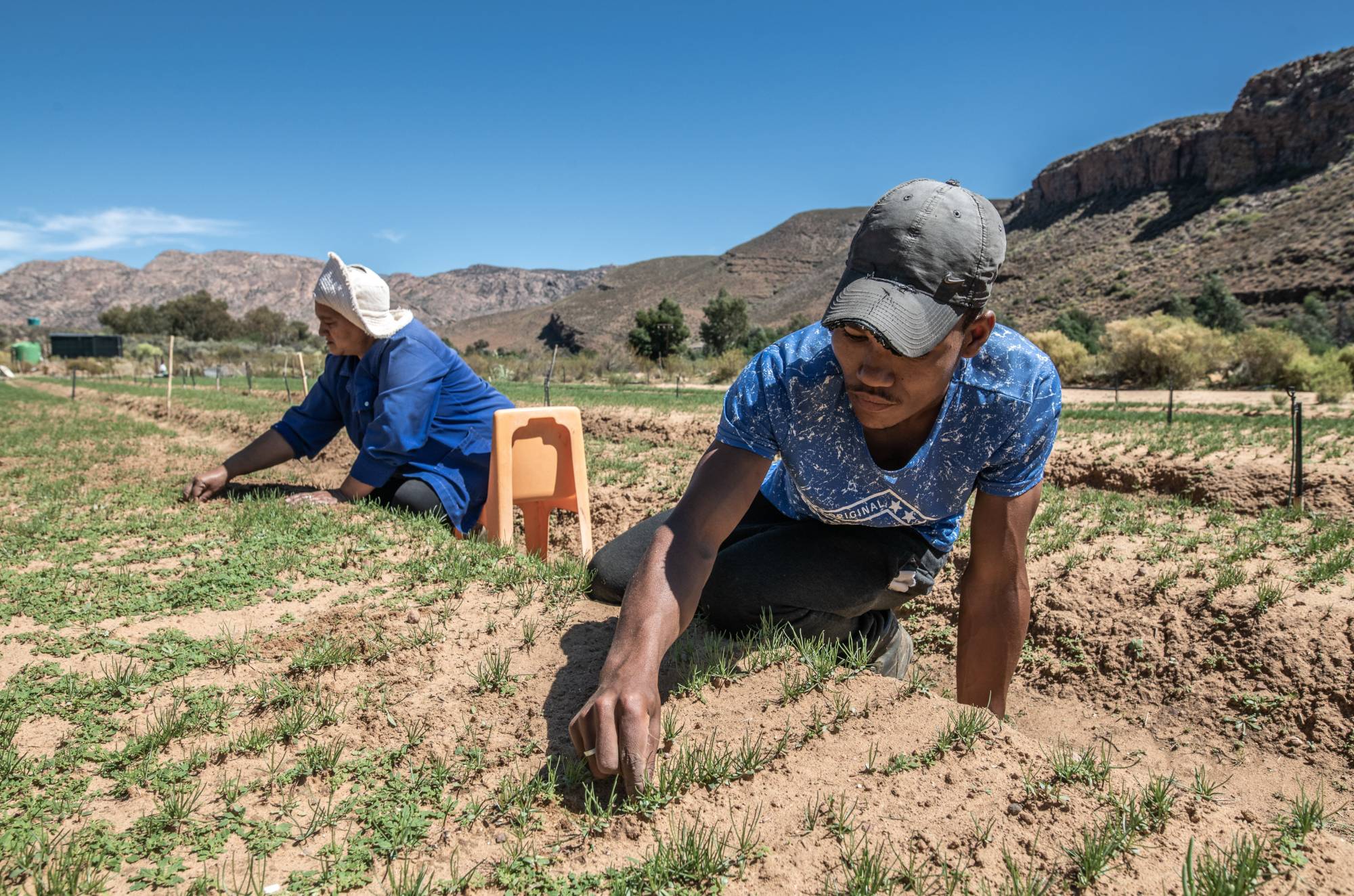
CAPE TOWN — For decades, the hardy Aspalathus linearis shrub has been the quiet backbone of the Western Cape’s Cederberg region. But this month, the "red bush" has found itself at the center of a geopolitical masterstroke. As of May 1, 2026, the trade barriers that once kept Rooibos a niche luxury in the Far East have effectively evaporated.
Under China's newly implemented zero-tariff scheme for African exporters, China has officially moved to a zero-tariff regime for South African exports. For the Rooibos industry, this is the final hurdle cleared in a race that began years ago in the halls of the World Customs Organization.
It wasn't long ago that South African exporters were staring down the barrel of a 30% import duty—a protectionist wall that made competition with China’s domestic green tea giants nearly impossible. The first crack in that wall appeared in early 2024, when Beijing reclassified Rooibos and slashed duties to 6%. Now, that 6% has hit zero. This isn't just about a price drop — this is a total market reset. We are no longer the expensive outsider; we are a viable, everyday alternative for 1.4 billion people.
The timing for South Africa couldn't be better. In cities like Shanghai and Shenzhen, a younger, health-conscious generation is moving away from the high-caffeine traditional brews of their parents. Rooibos—naturally caffeine-free and loaded with antioxidants—is being marketed less as a "tea" and more as a "functional beverage."
We are seeing Rooibos pop up in everything from high-end kombuchas to skincare lines in Chinese department stores. However, the industry is staying grounded. Production for 2025 dipped to approximately 15,000 tons due to erratic rainfall patterns, reminding us that while the demand may be infinite, the supply is at the mercy of the Cederberg's increasingly volatile climate.
The victory isn't just financial; it’s legal. Crucially, the South African Rooibos Council has been aggressive in securing Geographical Indication (GI) status. Much like Champagne must come from France, "Rooibos" must come from the specific sandy soils of the Western and Northern Cape. China’s recognition of this status ensures that local "look-alike" crops cannot capitalize on the brand. It safeguards the heritage of the Khoi and San people, the original holders of this plant’s traditional knowledge, who now receive a share of the industry's profits through a landmark benefit-sharing agreement.
While the tariffs are gone, the "Red Tape" remains. Navigating Chinese customs registration for flavored blends or ready-to-drink products still requires a marathon of paperwork. But for the farmers in the dust-red fields of the Cederberg, the message is clear: The world’s largest tea market has just left its door wide open. South Africa just has to make sure there's enough in the pot to go around.