SA Slaps Tile Duties of up to 231% on India and Three Neighbours
SARS has imposed provisional anti-dumping payments of up to 231.62% on ceramic and porcelain tiles…
ITAC's Report 764 has rewritten South Africa's steel import duties across Chapters 72-83 — but the duties are live while the promised rebates are not.
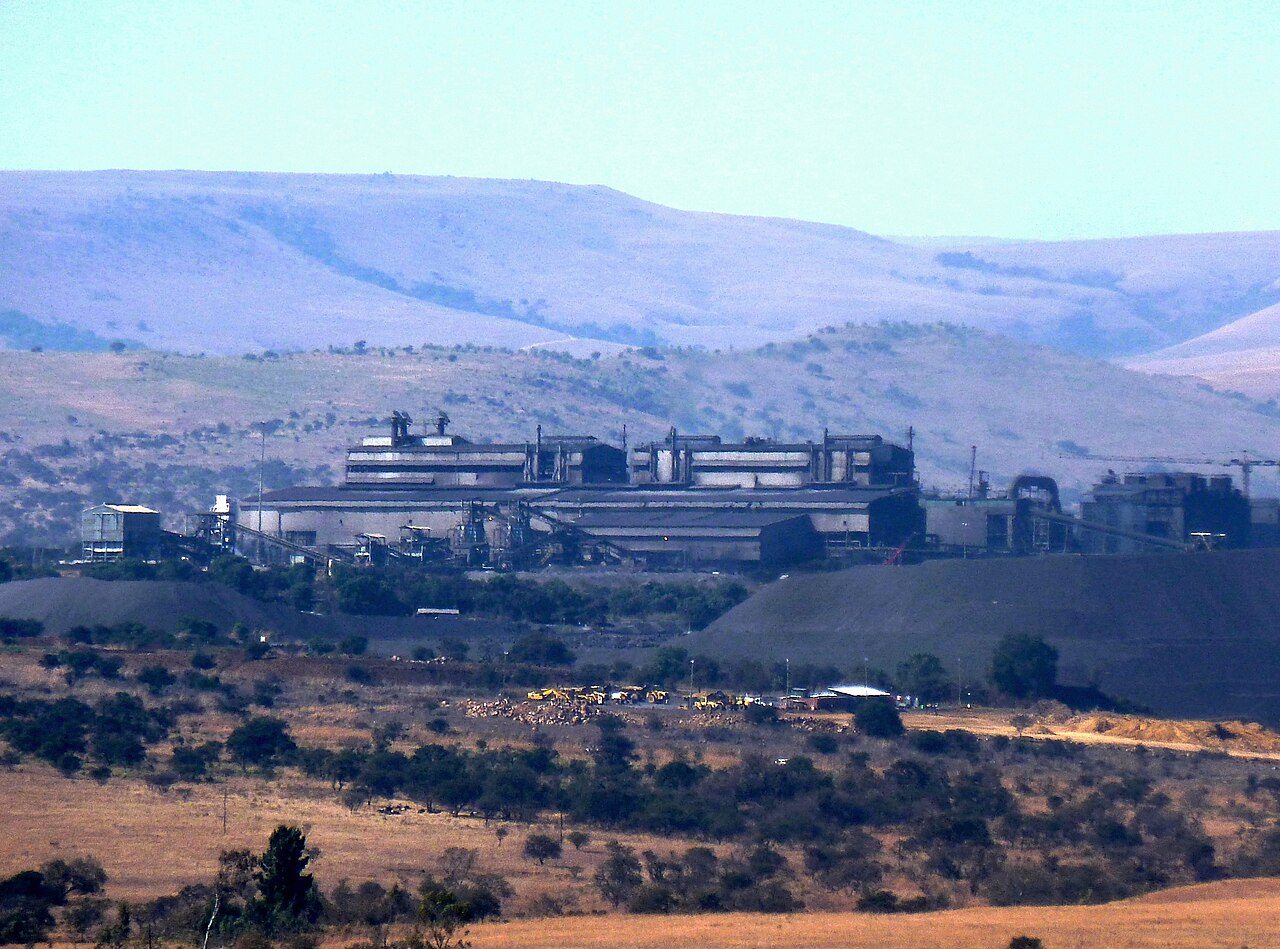
South Africa has quietly enacted the most sweeping rewrite of its steel import-duty regime in a generation, and most importers only discovered it when their landed costs jumped. Following the International Trade Administration Commission's flagship review — Report 764 — the South African Revenue Service published the implementation gazette on 15 May 2026, with tariff notices R7491 and R7492 following in Government Gazette 54717 on 22 May and a correction, R7551, on 3 June. The duties bite now, the promised rebates do not yet exist, and shipments already on the water are stranded in the gap.
ITAC's review — billed by the commission itself as its largest-ever examination of the steel value chain — abandons the narrow, mill-gate focus of previous interventions in favour of protecting the entire downstream chain. The new general rates are layered: 10% on a broad band of flat-rolled, electrical and alloy steel products; 15% on welded and seamless tubes and pipes, fittings, tanks, drums, wire ropes, fencing, chain, screws and staples; 20% on hand tools, saws, spanners, hammers, pliers, screwdrivers and household knives; and 30% on selected fittings, washers and steel baths. The amendments reach across Chapters 72, 73, 82 and 83 of the tariff schedule — that is, from raw coil all the way to the finished hardware on a builder's merchant's shelf.
To soften the blow on manufacturers, ITAC has created a rebate under item 460.15 allowing a full duty rebate on inputs the local industry cannot supply — semi-finished billets, aluminium-zinc coated coil, H-sections, wire rod, rails and certain seamless and galvanised tubes. The catch is procedural: the rebate is permit-based, importers must apply to ITAC, and at the time of writing the permit guidelines have not been published. The commission has also flagged import controls on more than twenty further products, from corrugated roof sheeting to tanks and reservoirs, alongside a permit-and-surveillance system aimed squarely at under-invoicing and duty circumvention. On 2 June, in a related move, ITAC recommended doubling the duty on imported rails from 5% to the WTO-bound 10%, backing an application from ArcelorMittal Rail and Structures — the only mainline rail manufacturer in the Southern African Customs Union, whose revived Emalahleni plant is running well below capacity.
For importers, the immediate problem is timing, not merely rate. Duty is assessed on the date of entry, so cargo that left Qingdao or Rotterdam weeks ago — priced and financed against the old schedule — now clears at the new rate, with no rebate route open because the permits do not yet exist. A container of fittings that attracted nominal duty in April can now carry 15% or 30%, calculated on the full customs value. For a sector running on thin margins and letters of credit struck months in advance, that is a direct, unhedged hit to working capital.
For exporters, the threat is more strategic. BMW South Africa and Ford Motor Company have both warned that higher steel-input costs erode the competitiveness of vehicles built for export — and the automotive sector remains the country's largest source of manufactured exports. The rail duty compounds the irony: Transnet, the state freight operator whose recovery the entire economy is banking on, will pay more for the track it urgently needs to relay, in order to keep a single Mpumalanga mill viable. As Freight News observed, South Africa has entered its most protectionist trade phase in years.
The official rationale is coherent on paper. ArcelorMittal South Africa's long-steel business has been on the brink, and ITAC frames Report 764 as a value-chain defence: protect the downstream, not just the mill, so that fabricators and toolmakers survive alongside the producer. There is a respectable case that a steel industry hollowed out by subsidised Chinese and Indonesian imports is a strategic loss the country cannot absorb.
But the execution gap is glaring. Protection that arrives before its own relief valve — duties live, rebate permits absent — is not industrial policy, it is a tax on importers dressed as one. The deeper problem is that tariffs treat the symptom. AMSA's competitiveness has been undermined as much by electricity costs and Transnet's rail and port failures as by import pricing; a 30% duty on a steel bath does nothing to repair the cost base that made local steel uncompetitive in the first place. And as Moneyweb noted, the lifeline for ArcelorMittal is, by definition, higher prices for everyone who buys steel — every construction firm, every appliance maker, and every infrastructure project the National Treasury wants built.
This is a high-impact, badly-sequenced intervention, and importers should treat it as a live cost event, not a consultation. Re-price every steel and downstream-metal shipment against the new schedule today, audit your HS classifications across Chapters 72, 73, 82 and 83 before SARS does it for you, and lodge rebate applications the moment ITAC publishes the 460.15 guidelines — the firms that file first will clear first. Do not assume cargo in transit is grandfathered; it is not.
On the policy itself, our position is unambiguous. Protecting the downstream chain is defensible, but doing so without a functioning rebate mechanism and without addressing the energy-and-logistics cost base is a half-measure that will raise prices long before it creates a single job. South Africa is making imports more expensive while its own port and rail constraints make exports harder — a pincer that squeezes precisely the manufacturers the policy claims to defend. The duties will hold. Whether AMSA uses the breathing room to fix its plant or merely to bank the margin is the only question that matters, and the recent history of state-backed steel rescues is not encouraging.