New SARS Customs Codes for Copper, Abalone, Batteries — Comment by 18 August
SARS's "technical" tariff amendments re-code copper scrap, abalone, lithium cells and steel from 1 January…
The World Bank's 2025 Container Port Performance Index ranks Cape Town last of 400+ ports. For ZA importers that bottom spot is a line item, not a headline.
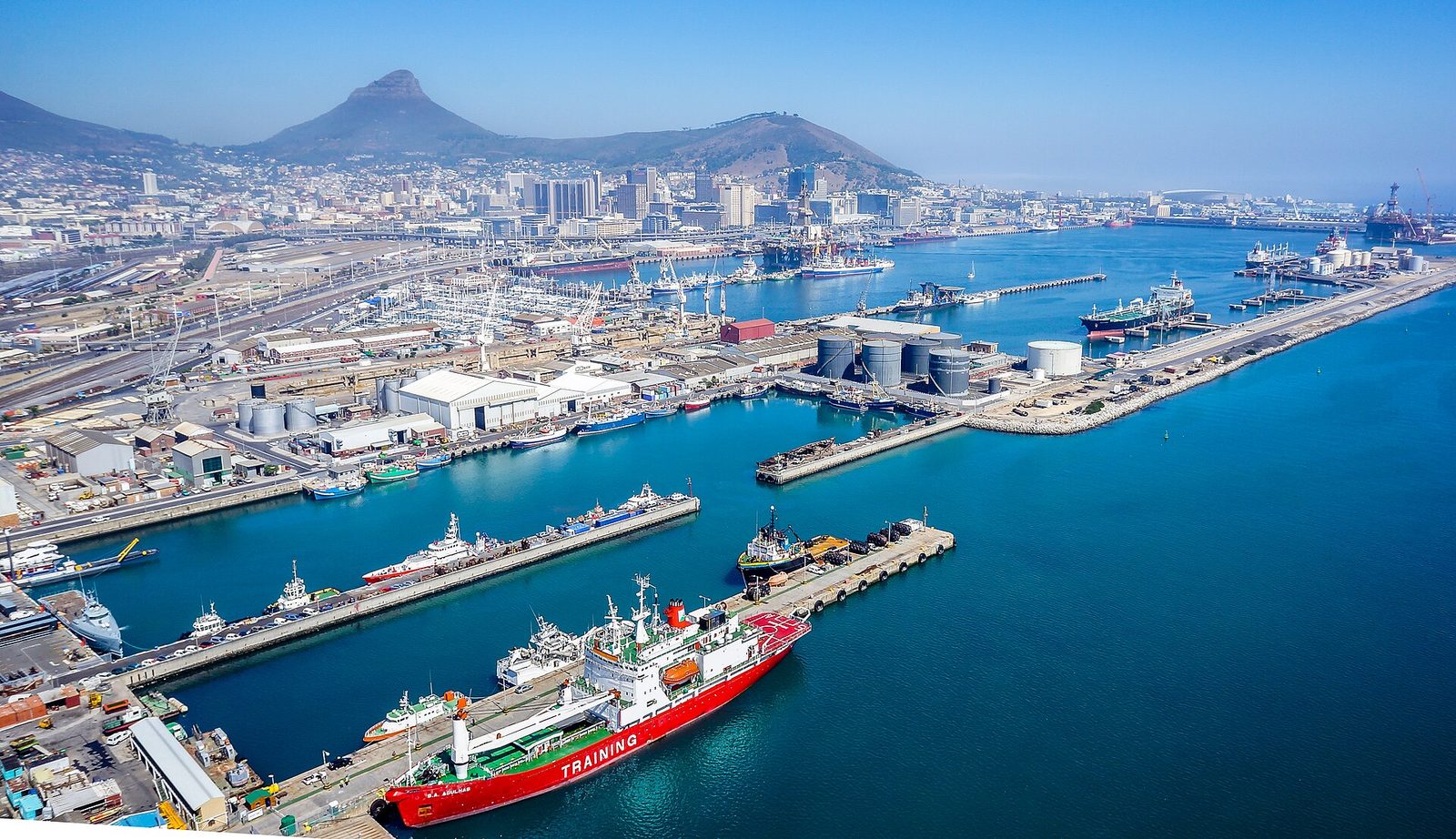
The World Bank has handed South Africa's oldest harbour the one distinction no trade economy wants: the Port of Cape Town is, on the numbers, the worst-performing container port on Earth. The 2025 Container Port Performance Index — released this month with S&P Global Market Intelligence — places Cape Town last of more than 400 ports assessed worldwide. It is the same week the index named Durban the world's most improved, and the contrast is the whole story: South Africa now runs both the fastest-recovering and the slowest-working container terminals in the global table. For anyone moving a box through the Western Cape, that bottom spot is not an abstraction. It is a measurable cost, and it is already in your landed price.
The Container Port Performance Index (CPPI), now in its sixth edition, ranks ports by a single, unforgiving metric: vessel time in port — the elapsed hours between a ship's arrival and its departure from the berth once cargo has been worked. It does not care about excuses, weather or politics; it measures only how long a ship sits. On that basis Cape Town finished last of the roughly 400 ports in the 2025 dataset — the literal floor of the rankings. The top of the table is, as it has been for years, almost entirely Chinese: Fuzhou took first place, followed by Dalian, with Oman's Salalah the only non-Chinese port in the leading group.
Durban's redemption arc sharpens the embarrassment. The same index that crowned Durban its most-improved performer still left it near the bottom in absolute terms, around 398th — yet even that placed it ahead of Cape Town. The City of Cape Town did not absorb the verdict quietly. Alderman James Vos, the mayoral committee member for economic growth, said the harbour "should be a competitive advantage that strengthens our position as a leading hub for trade and investment" but "too often acts as a bottleneck that constrains growth and limits opportunity," and pressed Transnet Port Terminals to widen private-sector participation, pointing to live requests for proposals to run the port's liquid-bulk and cold-storage terminals. Transnet, at the time of writing, has not publicly responded to the ranking.
A bottom-of-the-world ranking translates into three things every importer recognises on an invoice: slower ships, fuller stacks and higher charges. When a vessel sits longer at berth, the shipping line recovers that lost productivity through a port congestion surcharge layered onto the freight rate. Boxes that cannot be evacuated on time accrue demurrage inside the terminal and detention once the empty fails to return, while rising dwell time ties up working capital in cargo that should be on a truck. None of these costs appear in a quoted freight figure; all of them land in the importer's true landed cost.
Cape Town's particular curse is the wind. Terminal gantries cannot work safely once gusts exceed roughly 90km/h, and the port simply stops. Over the most recent summer peak — November 2025 to February 2026 — Cape Town lost more than 1,000 operating hours to wind, with gusts repeatedly running past 100km/h. That this happened despite a R3.4 billion equipment programme, including 28 new rubber-tyred gantries delivered in September 2025, is the uncomfortable part: the new machines are themselves rated only to about 90km/h, so they stop in the same conditions as the kit they replaced. The damage concentrates on the Western Cape's marquee export — fresh produce. The deciduous and citrus seasons run straight through the windy months, and the industry booked direct losses exceeding R350 million early in the season as reefer boxes sat unshipped, fruit aged on the quay and overseas buyers lodged quality claims against a fragile cold chain. One partial reprieve is monetary: the rand has firmed to about R16.20 to the dollar, its strongest since early March, trimming the import side of the ledger even as the port erodes the export side.
The hopeful reading is that Cape Town, like Durban, is on the mend — and there is genuine evidence for it. In the previous index Cape Town posted one of the largest year-on-year score improvements of any port in the world, and the City's push for private operators echoes the Durban Pier 2 concession now run by ICTSI that underwrote that harbour's turnaround. But two facts puncture the optimism. First, the index measures vessel time and nothing else, so a port can buy cranes, restructure and still rank last if ships keep waiting. Second, Cape Town's core constraint is not capital but climate. No concession agreement changes the wind, and equipment certified to 90km/h cannot work a port that routinely sees 100km/h-plus. Private participation may sharpen scheduling and stack management, but it does not buy a single extra working hour in a gale unless the next generation of cranes is specified to a far higher wind tolerance — and nobody has committed to that.
There is also a credibility gap between announcement and operation. A request for proposals to run the liquid-bulk and cold-storage terminals is a document, not an operator. Durban's privatisation took from a 2023 preferred-bidder award to a January 2026 handover — more than two years, much of it lost to litigation. Cape Town's exporters cannot bank relief that is still circulating as a tender, while the produce seasons that bear the brunt arrive on a fixed annual schedule.
Cape Town's last-place finish is real, but the diagnosis matters more than the rank. This is not primarily a money problem — R3.4 billion has already been spent — it is a problem of governance and physical exposure, and only one of those two is fixable by the reforms on the table. Private operators of the kind transforming Durban will help with the operational half: better stack discipline, truck-slot booking and crane productivity on the days the port can actually work. They will do nothing about the wind. The single most consequential decision Cape Town faces is whether its next equipment cycle is specified to operate above 100km/h; until then, the port will keep stopping every summer precisely when the fruit needs to move.
For importers and exporters, the practical posture is to stop treating Cape Town's congestion as a shock and start pricing it as a known input. Build the demurrage and congestion-surcharge exposure into landed-cost models now; negotiate longer free time with carriers given the documented delays; and for high-value perishable cargo, weigh routing through Ngqura against the quality claims of a Cape Town wind stoppage. The World Bank has confirmed what Western Cape exporters have lived through three summers running. The opportunity is not to be surprised by it again.