The Symbiotic Paradox: AI, Supply Chains and South Africa
AI is sold as the fix for broken supply chains — but the buildout strains…
The US has proposed an extra 12.5% tariff on all South African goods over a forced-labour finding, with hearings on 7 July. Pretoria is weighing retaliation.
South Africa's exporters have a new line item on their American risk register. The Office of the United States Trade Representative has proposed an additional 12.5% tariff on all South African goods — a penalty drawn not from a conventional trade dispute but from a Section 301 finding on forced labour — with public hearings set for 7 July 2026. Pretoria is now weighing retaliation even as it insists negotiation comes first, and the contradiction itself is the warning.
On 11 June, USTR Jamieson Greer published a proposed responsive action that would layer 12.5% onto goods from South Africa and 59 other countries — the outcome of a Section 301 investigation opened in mid-March that concluded these governments had failed to impose and effectively enforce a prohibition on goods made with forced labour. The measure is open for public comment, with a hearing scheduled for 7 July. Critically, it does not replace the existing American tariff regime on South Africa; it stacks on top of it.
That existing regime is already punishing. After February's adjustment, the baseline reciprocal rate on most South African goods fell from 30% to 10%, but the 25% Section 232 tariff on motor vehicles and parts remained untouched — and autos are the single largest AGOA category by value. AGOA itself was extended only to 31 December 2026 when the renewal was signed into law on 3 February, leaving the programme's long-term future unresolved. A 12.5% forced-labour surcharge would push the effective rate on ordinary South African exports toward 22.5%, and on vehicles — already carrying 25% — toward a combined burden that erases any residual preference. The stakes are not trivial: two-way goods trade reached roughly $22.8 billion in 2025, with the United States importing $16.5 billion from South Africa and exporting $6.4 billion the other way.
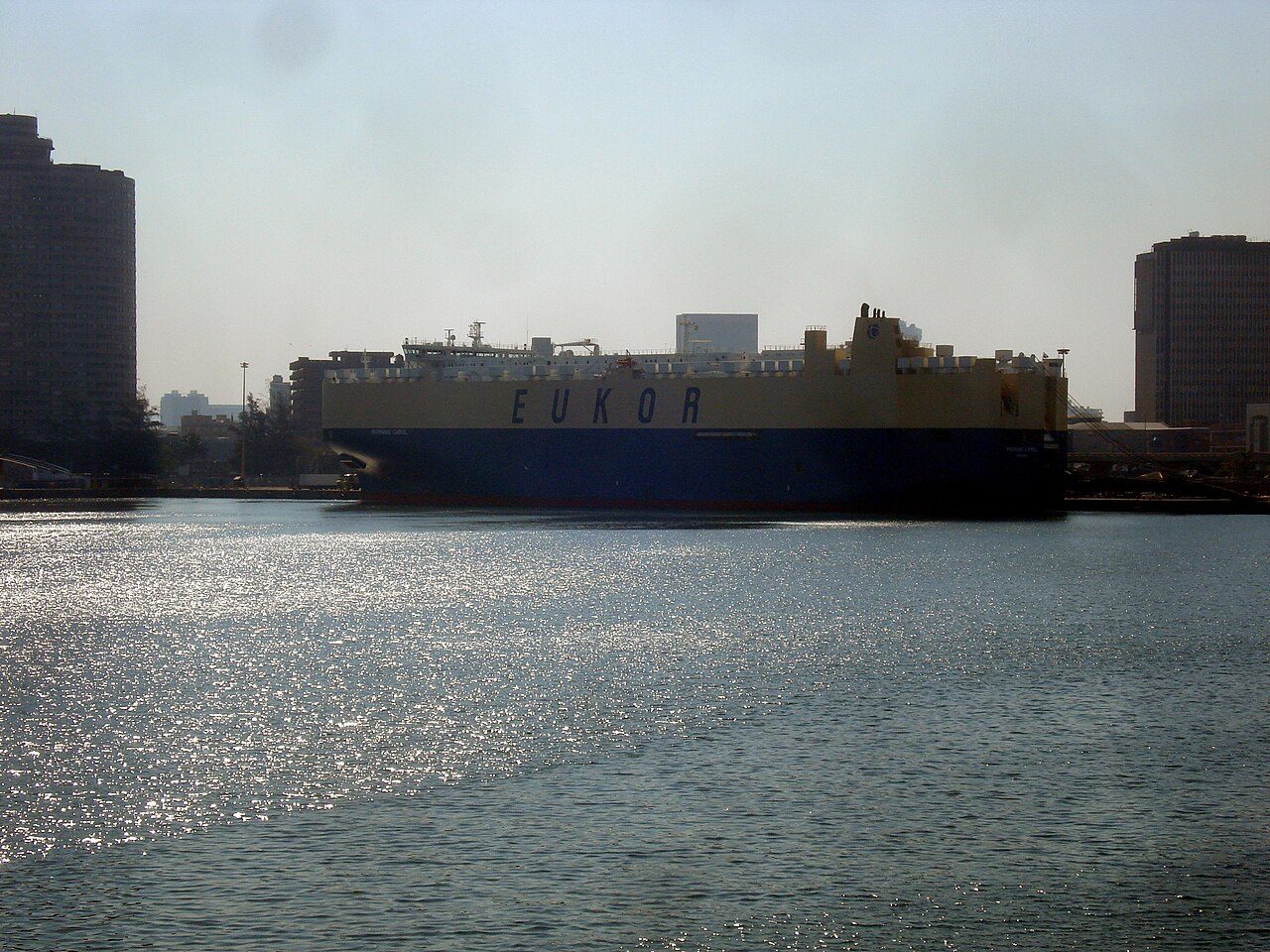
The automotive sector shows what a stacked tariff does in practice. In 2024 vehicles accounted for 64% of all AGOA trade with the United States, generating R28.6 billion in export revenue across 24,681 units shipped. By 2025, with the 25% duty in force, vehicle export earnings to the United States had collapsed from R17.7 billion to R8 billion, and shipments to North America fell from 25,544 units to 6,530 — a contraction of roughly three-quarters. A further 12.5% would not so much shrink that trade as foreclose what survives of it.
For exporters outside autos — citrus, wine, ferro-alloys, aluminium — the arithmetic is more linear but no less serious. A 12.5% surcharge is a direct hit to the landed cost an American buyer sees, and in commodity categories where South Africa competes on price against Latin American and Australian suppliers, that margin is often the whole game. Exporters should be pressure-testing their rules-of-origin documentation and HS-code classifications now, because a forced-labour-based action invites exactly the kind of supply-chain due-diligence scrutiny that a clean paper trail blunts. A weaker rand offers partial cushioning on the export side, but importers of American machinery would face the mirror image if Pretoria retaliates.
Here the official signals diverge, and the gap matters. AllAfrica, citing a National Treasury source, reports that government is preparing retaliatory customs duties on American machinery and mechanical-engineering equipment, on aircraft and spare parts, and on agricultural products — categories that sit near the top of the $6.4 billion the United States sells into South Africa. Yet Trade, Industry and Competition Minister Parks Tau has publicly held the line that South Africa will not retaliate and remains committed to a negotiated reset, and his department has formally demanded that Washington produce the evidence underpinning the forced-labour finding.
Both positions cannot be fully true at once, and the optimists betting on a quiet diplomatic settlement are discounting two things. First, a Section 301 forced-labour action is harder to negotiate away than a reciprocal tariff, because it is framed as a values question rather than a balance-of-trade one — conceding it implies admitting the allegation. Second, retaliation on American agricultural and aerospace imports would raise input costs for South African farmers and airlines, importing inflation precisely when the economy can least absorb it. A trade war fought with ad valorem duties has no winners in a relationship this asymmetric — the United States buys nearly three times what it sells here.
This is the most consequential trade development for South African exporters this quarter, and treating it as background noise is the mistake to avoid. The 7 July hearing is not a formality; it is the last structured opportunity for South African firms and their American buyers to put evidence on the record before the surcharge is finalised. Exporters with material US exposure should not wait for the dtic to speak for them — they should be filing their own comments, through counsel or industry bodies, documenting their labour-compliance regimes and the American jobs their supply chains support.
Pretoria's retaliation talk is the weaker hand and should stay in the drawer. Mirror tariffs on American aircraft parts and farm equipment would punish South African operators first and hand Washington a grievance to escalate. The durable play is diversification — deepening intra-African trade under the AfCFTA and rebuilding European and Gulf demand — paired with a disciplined, evidence-led defence at the hearing. The American market is too valuable to abandon and too volatile to depend on. South African exporters who internalise both halves of that sentence will weather 2026; those who pick only one will not.