The Tea Route Reimagined: Scaling South African Rooibos Exports for China
South Africa's Rooibos industry enters a total market reset as China scraps import tariffs on…
The rand hit 16.1350 on 12 August, its strongest since March. For importers it is the best landed-cost window of the year — and it was made in Washington.
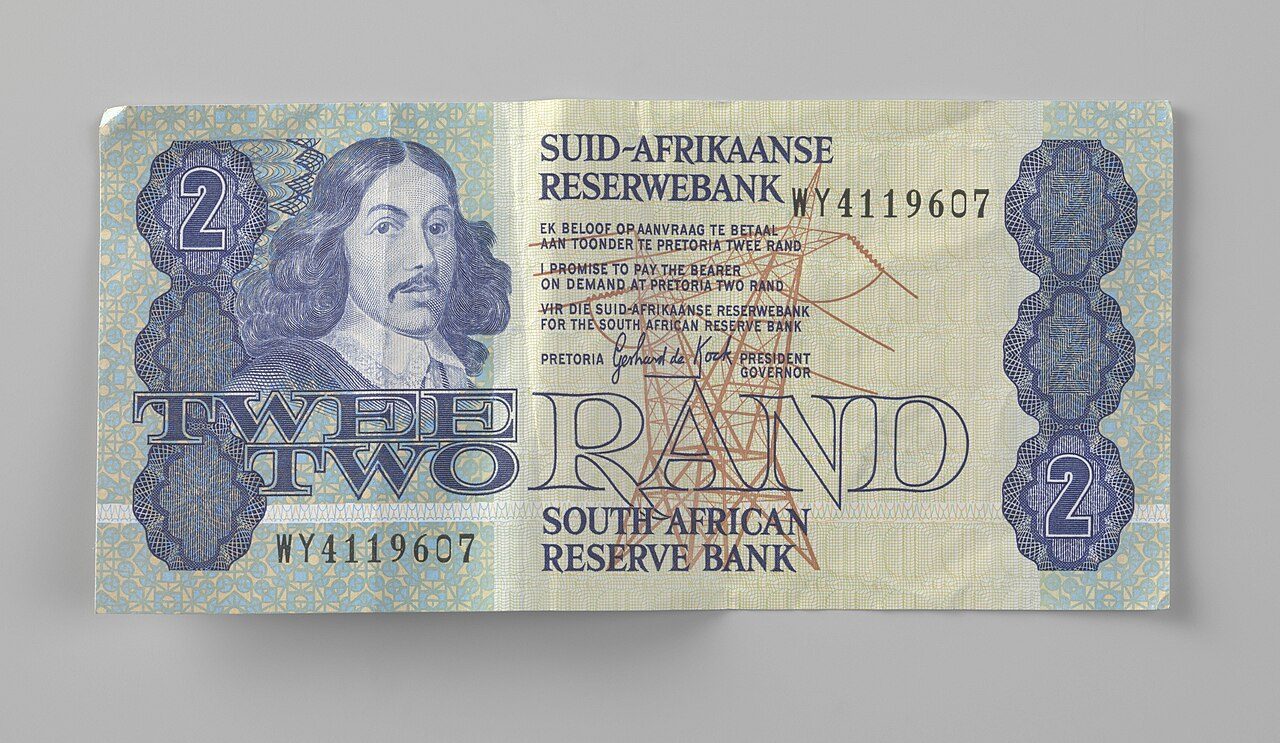
The rand touched 16.1350 to the dollar on 12 August, its strongest level since 2 March and the widest landed-cost window South African importers have had all year. The catch lies in where that strength was manufactured — not in Pretoria, but in a benign United States inflation figure that hardened the market's bet on the Federal Reserve sitting on its hands. A currency lifted by someone else's central bank is a gift, and gifts of this kind are withdrawn without notice.
The immediate trigger was American data. United States consumer prices rose just 0.1% in July, in line with estimates and following a 0.4% fall in June, and that mildness reinforced expectations that the Fed will leave interest rates unchanged when it meets in September. A Fed on hold while much of the world eases keeps the dollar soft, and a soft dollar pushes money towards higher-yielding emerging-market currencies such as the rand. Firm gold prices did the rest: bullion trading near record levels lifts the value of one of South Africa's largest export earners and nudges the country's terms of trade in its favour.
What is striking is how little of the move South Africa earned itself. The Reserve Bank held its repo rate at 7.00% on 23 July, and June headline inflation printed at 5.0% — inside the 3–6% target band, but well above the 3% level the Bank has signalled it now prefers to anchor. Growth is anaemic and the fiscal arithmetic is unchanged. Measured over twelve months the rand is nonetheless about 8% firmer against the dollar, a long way from the 19.93 it plumbed in April 2025. That recovery is real money on an invoice — but almost all of it is borrowed from the Fed and the gold price, not built at home.
For an importer the exchange rate is not a headline; it is the first line of the landed cost and the figure the rand value on every customs valuation is built on. The arithmetic is unforgiving in both directions. A dollar that cost roughly R17.60 a year ago costs about R16.17 today; on a US$100,000 shipment that is a saving of around R144,000 before a single container has moved. Every ten cents the rand gains or loses is worth R1,000 on each US$10,000 of goods, so a US$50,000 order swings by R5,000 for every ten-cent step on the screen.
The swing compounds downstream. Because ad valorem duty and import VAT are levied on the rand-converted customs value, a stronger rand shaves the duty and the tax as well as the goods themselves — and a weaker one inflates all three at once. That is why a currency move of a few percent lands on the bottom line as more than a few percent. The practical instruction is to treat today's rate as an opportunity to be captured, not a forecast to be assumed. Importers with known dollar liabilities in the fourth quarter can lock a portion of them now through a forward exchange contract, converting a market they do not control into a cost they do. Deposits, licence fees and any discretionary dollar purchase that was going to happen anyway are cheaper to settle this week than they were in June. This is the moment hedging exists for — a rate below 16.20 that the domestic fundamentals do not obviously justify.
The optimists reading a sub-16 forecast off the analyst models are letting one assumption stand in for the whole chain: that the Fed truly is finished. It is not finished until it says so. A hot United States jobs number, a hawkish signal from the Jackson Hole symposium later this month, or tariff-driven goods inflation feeding into the American CPI would revive rate-hold-for-longer talk and send the dollar — and the rand — straight back the other way. Gold, the second crutch, is priced for a nervous world; a genuine thaw in geopolitics would take the shine off it, and off the rand with it.
None of the domestic weaknesses have been resolved either. Inflation at 5% against a 3% ambition, a Reserve Bank unwilling to cut, and a growth rate barely off the floor are not the ingredients of a durable currency. The danger is not the strong rand itself; it is the temptation to bake it into 2027 costings, unwind existing cover into the rally, and quote customers off a number that exists only while two foreign variables stay aligned. That is how a good fortnight becomes next quarter's margin call.
This is a window, and windows are for acting through, not admiring. Our position is that the rand's five-month high is worth far more as a hedging trigger than as a planning assumption, and the importers who profit from it will be the ones who move this week rather than next month.
First, lock forward cover on identified fourth-quarter dollar liabilities now, while the rate sits below 16.20 — you are buying certainty, not betting on direction. Second, bring forward any committed dollar payment: a saving of roughly R14,400 per US$10,000 against last year's rate is real cash that waiting for a hoped-for stronger rand only risks handing back. Third, do not re-baseline your landed-cost models below about 16.50; stress-test every quote and every duty line at 17.50, because that is the level a single surprise from Washington could restore in one session. Run both ends of that range through our Live FX Rates and Duty & VAT tools before you commit a price to a customer. The rand has handed you a discount — the discipline is to spend it deliberately, not to assume it is permanent.