Transnet's R78 Container Charge Lands Just as Diesel Prices Fall
Transnet Port Terminals lifted its fuel neutrality container charge to a record R78 from 1…
Transnet moved a record 100,158 TEUs in a single week, yet peak-citrus reefer delays and landside bottlenecks mean the quayside win has not reached the warehouse.
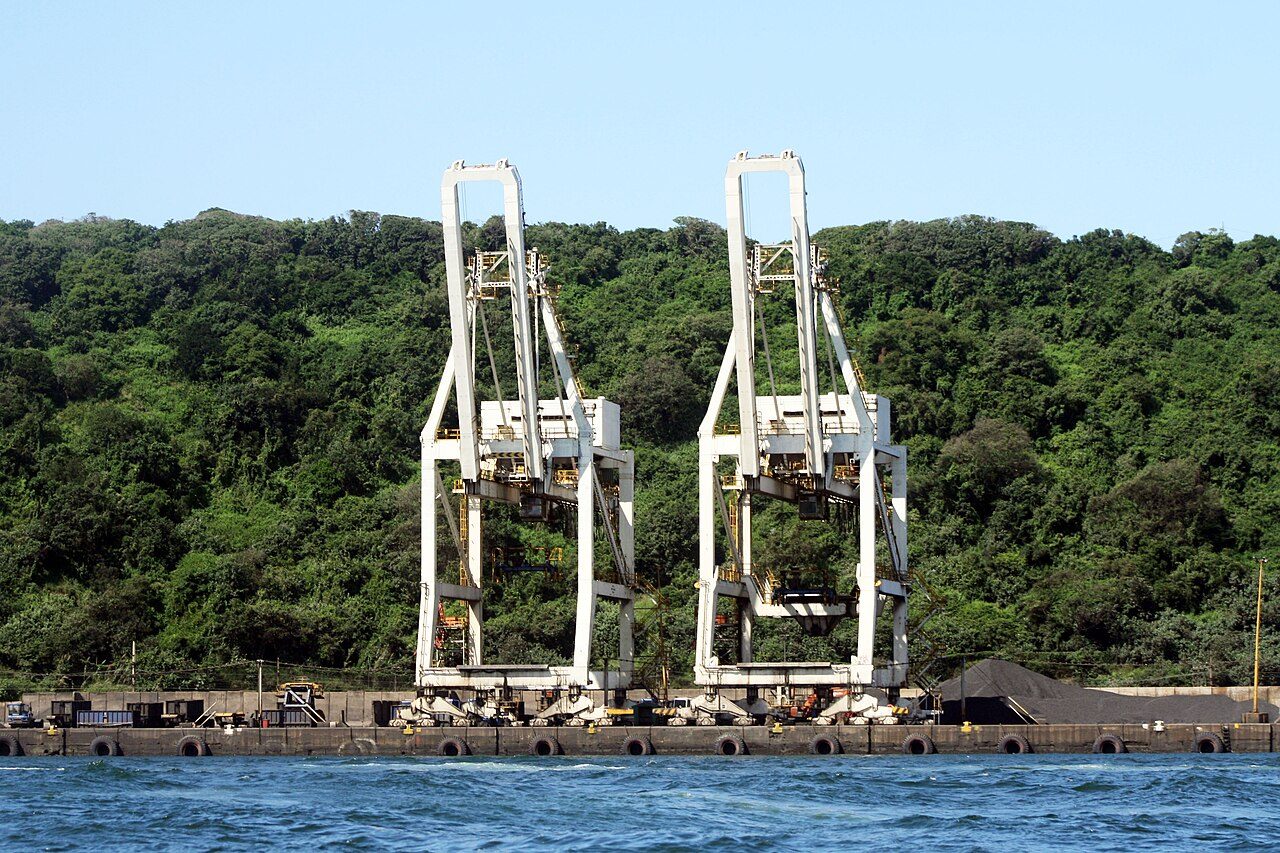
For the first time, South Africa's state port operator has pushed more than 100,000 containers across its quays in a single week — a number that would have read as fantasy during the anchorage gridlock of 2023. Transnet Port Terminals (TPT) handled 100,158 twenty-foot equivalent units and 27,879 built-up vehicles in seven days, its strongest weekly performance in years. The figure is real, and it matters. Whether the box reaches the importer's warehouse on schedule is a separate question — and it is the one that decides who actually banks the gain.
TPT confirmed the record week in early July, and it did not arrive in isolation. The operator says it has now set fourteen separate performance records in the past six months, spanning loading rates, daily, weekly and annual container and automotive volumes, and train turnaround times. Cape Town Container Terminal — long the country's problem child, ranked bottom of the World Bank's container port index only a year ago — beat its own throughput forecast by as much as 62%.
The weekly spike sits on top of a genuinely strong year. In the 2025/26 financial year container volumes rose 7.1%, overshooting budget by 3.6%, with the Transnet National Ports Authority (TNPA) now expecting roughly 4.5 million TEUs against a 4.4 million target. Total cargo across the country's eight commercial seaports climbed 4.2% to about 304 million tonnes — the strongest annual growth since 2011/12, a fifteen-year high — while vessel traffic rose 9%. A large share of the container lift came from a 22% jump in citrus, the export that defines the southern-hemisphere winter.
Underpinning the recovery is private capital finally reaching the quayside. At Durban's Pier 2, the port's largest container facility, new concessionaire ICTSI is committing R11 billion to raise capacity from 2 million to 2.8 million TEUs and to push crane moves an hour — the productivity of each ship-to-shore gantry crane — from around 18 towards a target of 28. That single ratio, more than any headline tonnage, is what separates a competitive port from a costly one.
Translate crane moves into money and the case for optimism sharpens. Every additional container lifted per hour shortens the time a vessel sits at anchor waiting for a berth, and anchorage time is where importers bleed. Durban's seven-day average vessel wait has fallen to roughly two days, against the multi-week queues that triggered global congestion surcharges two years ago. Shorter waits mean lower demurrage and detention exposure, fewer missed sailings, and a real prospect that the port congestion surcharges lines bolt onto ZA-bound freight begin to ease as reliability improves.
For exporters the stakes are perishable rather than financial. A faster quay protects the cold chain: reefer containers that plug in and ship out on time hold their temperature integrity, and citrus, table grapes and stone fruit reach European shelves inside their quality window. With the industry forecasting shipments of up to 215 million cartons this season, the difference between a 20-move and a 28-move crane is the difference between a premium sale and a claim. Higher throughput also spreads Transnet's fixed costs over more boxes, which is the only durable argument against further cargo dues increases.
A record at the crane is not a record at the gate. The 100,158-TEU week measures what the quay achieved; it says nothing about how long that cargo then sat before it moved inland. Landside performance — truck turnaround, container dwell time, and the rail link to the Reef — remains the weak joint, and it is under maximum stress precisely now, at the July peak of the citrus season. Reports from the fruit corridor still describe reefer temperature excursions and inland delays of up to three weeks when volumes crest, the exact conditions the quayside gains were meant to cure.
Durban has also faced sporadic disruption this month linked to anti-immigration protests around the port precinct, a reminder that ZA port throughput is hostage to more than crane availability. And a record is, by definition, a peak, not an average: fourteen records in six months is impressive, but importers plan against the bad week, not the best one. The ICTSI ramp to 2.8 million TEUs is a multi-year build, not a switch thrown in July, and none of the container numbers fix the deeper structural problem — Transnet Freight Rail still moves far too little of this cargo, forcing volume onto a road network that congests the moment the terminals speed up. Faster ships feeding a slower hinterland simply relocates the queue from the sea to the N3.
The turnaround is real, and denying it would be dishonest — this is the best operational data South African ports have produced in fifteen years, and the arrival of ICTSI's capital at Pier 2 is the structural change sceptics said would never come. Transnet's managers have earned the applause. But importers and exporters should read the 100,000-container week as a leading indicator, not a landed result. The metric that pays your invoices is door-to-door transit reliability, and that number has not yet moved as far as crane productivity has.
Our position is concrete: treat the record as leverage, not as a reason to drop your buffers. Use the improving quayside performance to push carriers on congestion surcharges and to renegotiate free-time terms, because the data now supports you. But keep the extra week of safety stock through the citrus peak, keep pressing your forwarder on inland dwell rather than vessel wait, and judge Transnet in October — when the citrus surge is gone and the true average, not the peak, is on show. A port is only as fast as its slowest kilometre, and in South Africa that kilometre is still on land.