SA Aims Anti-Dumping at a Neighbour: Mozambican Steel Pipe in the Net
SARS gazetted a provisional anti-dumping duty on large-diameter steel pipe from Mozambique on 18 June…
SA runs three Chapter 72 remedy tracks in 2026 — ITAC 740 (hot-rolled safeguard), 768 (coated thin-coil safeguard) and 778 (China AD on those coated lines). Different products; where 768 and 778 stack, only the AD above the safeguard is payable.
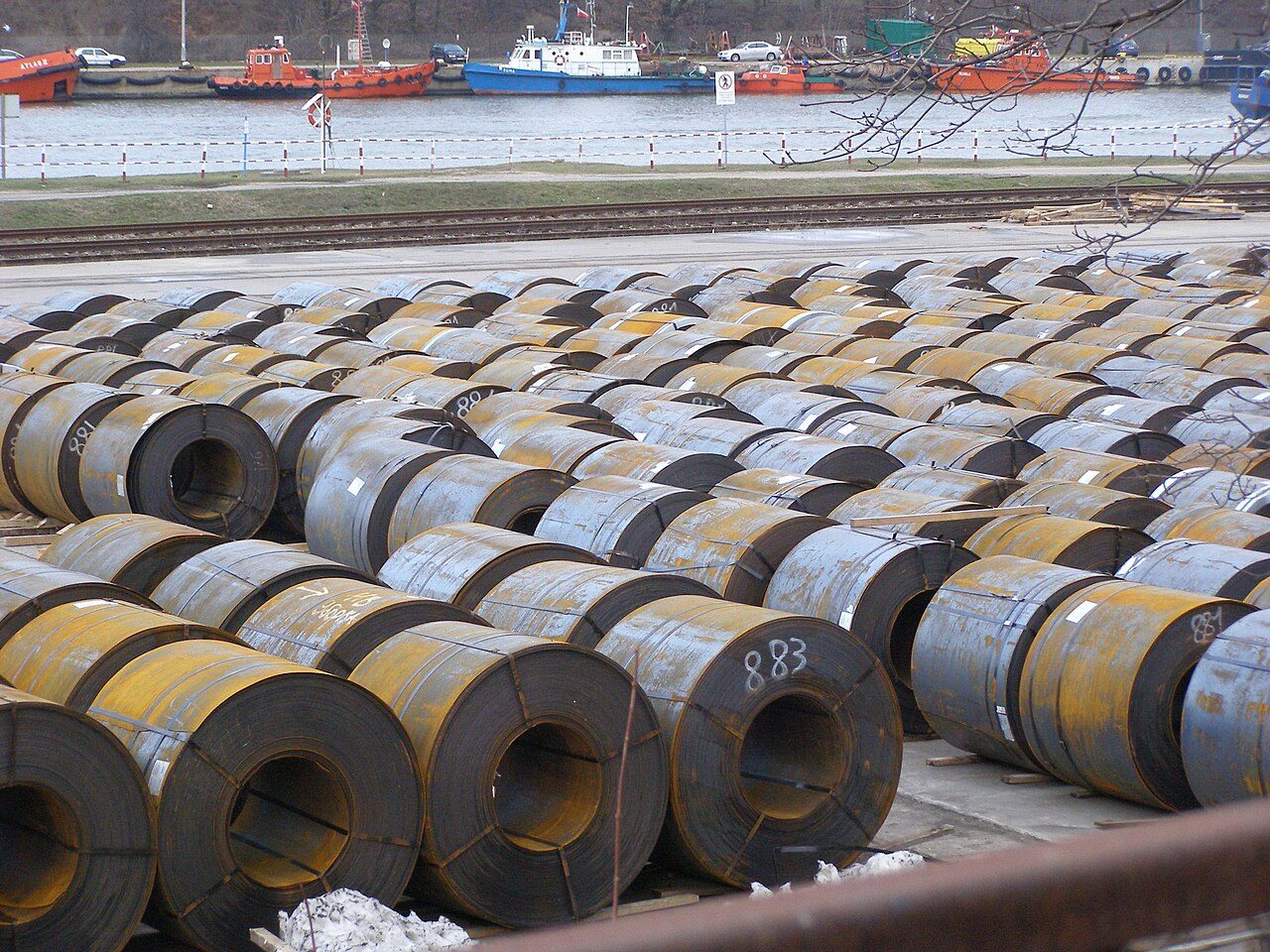
If you import flat steel into South Africa, 2026 has probably left you with an odd-looking duty calculation. One consignment carries a safeguard. Another carries a safeguard and an anti-dumping duty. A third, from an origin that paid nothing last year, suddenly has a safeguard too.
None of this is a mistake: South Africa is running three separate Chapter 72 trade remedy tracks at the same time — ITAC Report 740 (hot-rolled safeguard), Report 768 (coated thin-coil safeguard) and Report 778 (China AD on the same coated lines). This piece pulls them apart and walks through the “double-remedy” maths where two of them land on the same coil.
| Track | Instrument | ITAC reference | Product (short) | Key HS | Live peg |
|---|---|---|---|---|---|
| A | Safeguard | Report 740 (+ Minute M04/2026) | Hot-rolled flat, not clad, plated or coated | 7208.*, 7211.14, 7225.30/40/99, 7226.99 | Korea added 4 Sep 2026 (R.7874 / R.7875) |
| B | Safeguard | Report 768 | Thin corrosion-resistant coil (<0.45 mm) | 7210.61.20/30, 7225.92.25/35 | Ladder from 12 Jun 2026: 52.34% → 37.34% → 22.34% |
| C | Anti-dumping | Report 778 | The same thin corrosion-resistant coil as Track B, China only | Same as Track B | SARS 18 Sep 2026 (R.7937–R.7941) |
Two rules to hold on to before we go further:
Also not the colour-coated provisional AD. Report 778 is not the August 2026 provisional AD on Chinese colour-coated steel under 7210.70 (GG 55269 / R.7865 / PP/182). Different product, different HS, different stage: definitive corrosion-resistant thin coil vs provisional colour-coated. Skimmers: SARS GG 55269 sugar duty and China coated-steel AD.
It helps to know what you’re looking at before you look at the numbers.
A safeguard is a temporary, declining duty against a sudden surge of imports that causes serious injury to local industry. It is not aimed at any one exporter’s pricing. It generally applies to most origins, with carve-outs for developing countries that ship only small (de minimis) volumes. In South Africa’s tariff, safeguards sit in Schedule No. 2, Part 3.
An anti-dumping (AD) duty is aimed at specific origins, and often specific exporters, whose export prices are found to be below “normal value” (dumping), where that dumping causes material injury and there is a causal link between the two. Margins are set per exporter, with an “all other” rate for everyone else. AD duties sit in Schedule No. 2, Part 1.
So a safeguard asks “is there a harmful surge?” and AD asks “is this origin dumping?” The same coil can face both, and that is exactly what has happened on Tracks B and C.
Product: hot-rolled flat steel that is not clad, plated or coated, excluding stainless and grain-oriented silicon electrical steel. Tariff lines include 7208.*, 7211.14, 7225.30, 7225.40, 7225.99 and 7226.99. That isn’t the full list: check Report 740 itself for every covered line.
Background: the application came through SAISI on behalf of AMSA. ITAC’s final determination was in February 2025, and the duty took effect on gazette on 2 May 2025. It is a classic safeguard: temporary, declining, and applied to most origins, with developing-country de minimis carve-outs.
The 2026 change you’ll see on invoices: origins that were carved out don’t necessarily stay carved out.
Invoice check: if you bring in Korean hot-rolled coil or sheet under one of the covered lines, a supplier quote or landed-cost model built before September 2026 is probably missing the safeguard. Re-cost it at 11%, and diarise the step down to 9% on 2 May 2027.
Product: thin corrosion-resistant (aluminium-zinc or zinc-coated) coil under 0.45 mm, the material re-rollers and fabricators turn into corrugated roof cladding. Tariff lines:
Rates: a three-year declining ladder from 12 June 2026:
| Safeguard year | Rate |
|---|---|
| Year 1 (from 12 Jun 2026) | 52.34% |
| Year 2 | 37.34% |
| Year 3 | 22.34% |
Year-2 and year-3 start dates are in the gazette / SARS notices (pack-silent here).
Like any safeguard, it has developing-country exclusions on de minimis volumes (ITAC’s final determination commentary sets out who is carved out; public media states the 3%/9% thresholds without naming every origin).
Don’t merge this with Track A. Report 768 is a different safeguard, on a different (coated, thin-gauge) product, under different HS lines. A hot-rolled rate tells you nothing about a coated-coil rate.
Product: the same four tariff lines as Track B: 7210.61.20/30 and 7225.92.25/35. Not generic “flat-rolled steel”, and not the rest of Chapter 72.
Origin: China only. The applicants were AMSA and SAFAL.
Finding: dumping, material injury and a causal link (final determination).
Margins:
Gazette peg: SARS published the Schedule 2 amendments on 18 September 2026, notices R.7937 to R.7941.
Rebate: rebate item 460.15/7210.61/01.06 has been extended so that it can rebate the AD duty where the import qualifies. Check the rebate conditions before you rely on it. A qualifying user and a non-qualifying user can pay very different duty on an identical coil.
This is where most of the confusion comes from. Chinese thin corrosion-resistant coil faces both the Report 768 safeguard and the Report 778 anti-dumping duty. Charging both in full would remedy the same injury twice. So the design is:
While both apply, only the part of the AD duty that sits above the safeguard is payable.
That’s why the Schedule 2 AD rates gazetted on 18 September 2026 are phased, not flat. Line them up against the safeguard ladder and the logic is plain:
“All other” Chinese exporters (AD margin 57.84%)
| Period | 768 safeguard | 778 AD payable | Combined |
|---|---|---|---|
| Safeguard year 1 | 52.34% | 5.5% | 57.84% |
| Safeguard year 2 | 37.34% | 20.5% | 57.84% |
| Safeguard year 3 | 22.34% | 35.5% | 57.84% |
| After the safeguard | – | 57.84% | 57.84% |
As the safeguard steps down, the payable AD steps up, and the importer’s combined remedy burden stays at the full 57.84% dumping margin. Once the safeguard falls away, the AD carries the full margin on its own.
Foryune (AD margin 8.21%)
| Period | 768 safeguard | 778 AD payable |
|---|---|---|
| Safeguard years 1–3 | 52.34% / 37.34% / 22.34% | 0% |
| After the safeguard | – | 8.21% |
Foryune’s margin is lower than every step of the safeguard ladder, so there is nothing “above the safeguard” to collect in years 1 to 3. Its AD rate is 0% until the safeguard ends, and then 8.21%.
What this means on the invoice: for Chinese thin corrosion-resistant coil (7210.61 / 7225.92), you can’t read the AD line on its own. A 5.5% AD rate doesn’t mean “cheap”: it sits on top of a 52.34% safeguard. When you model landed cost, always add both lines together for the relevant period, and check which exporter appears on the commercial invoice, because Foryune and “all other” exporters follow completely different calendars.
Note: the percentages above come straight from the ITAC/SARS figures (for example, 57.84% − 52.34% = 5.5%). Use the gazetted notices for the exact start and end date of each phase, and for how the duty is calculated.
“Chapter 72 steel” isn’t one duty. For every flat-steel line, read four things together:
Quick sense-checks before you lodge:
The safeguards will keep stepping down, and the AD rates will keep stepping up, so this won’t be the last steel gazette you need to read. Budget the combined remedy for the period you are shipping into — not the AD line alone.
Track A is the hot-rolled flat steel safeguard under ITAC Report 740 (plus Minute M04/2026 for Korea). Track B is the coated thin-coil safeguard under ITAC Report 768. Track C is the China-only anti-dumping duty under ITAC Report 778 on the same four thin corrosion-resistant coil lines as Track B. They are different products and instruments and must not be merged.
No. Report 778 is the definitive anti-dumping duty on thin corrosion-resistant coil (7210.61.20/30 and 7225.92.25/35). The August 2026 provisional AD on Chinese colour-coated steel under 7210.70 (GG 55269 / R.7865 / PP/182) is a different product, different HS and different stage.
It faces both Report 768 (safeguard) and Report 778 (China AD) on the same tariff lines. Charging both in full would remedy the same injury twice, so while both apply only the part of the AD duty that sits above the safeguard is payable. As the safeguard steps down, the payable AD steps up so the combined burden for “all other” Chinese exporters stays at the 57.84% dumping margin.
South Korea was brought into the Report 740 safeguard through ITAC Minute M04/2026. SARS published R.7874 and R.7875 in Government Gazette 55298 on 4 September 2026: 11% until 1 May 2027, then 9% from 2 May 2027.
Foryune’s AD margin is 8.21%; all other Chinese exporters are at 57.84%. Because Foryune’s margin sits below every step of the Report 768 safeguard ladder, its payable AD is 0% during safeguard years 1–3 and only 8.21% after the safeguard ends. “All other” exporters pay the phased residual (5.5% / 20.5% / 35.5%) on top of the safeguard.