Pretoria's Exemption Gambit Against Washington's 12.5% Forced-Labour Duty
A South African delegation asked USTR to spare six export categories from a proposed 12.5%…
From 7 October 2026 wholesale diesel rose 284.38c/l (0.05% sulphur) and 324.38c/l (50ppm). Expect fuel surcharges on port-to-warehouse haulage.
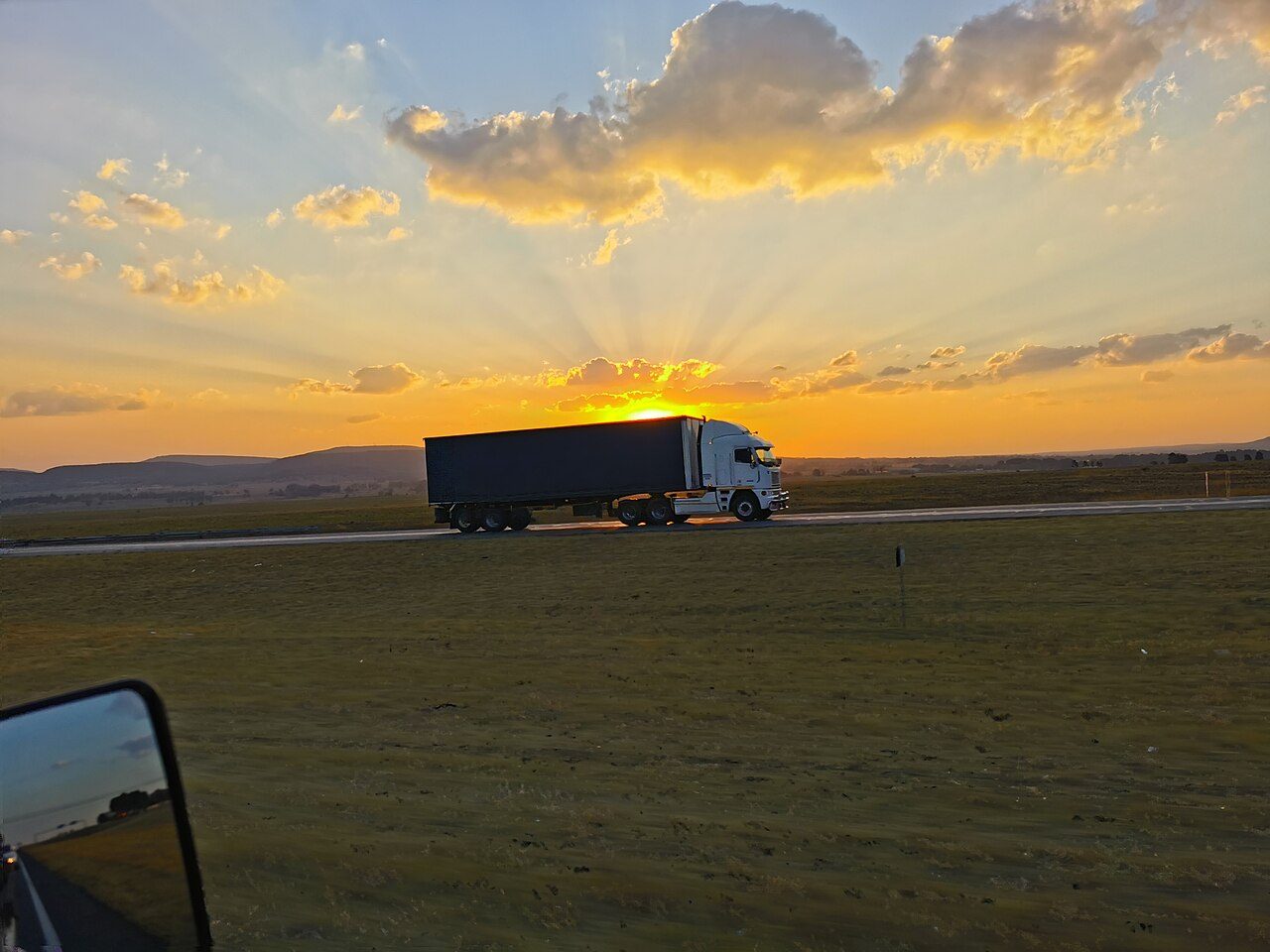
Diesel went up again on Wednesday, 7 October. This time by close to 10%.
Mineral and Petroleum Resources Minister Gwede Mantashe announced on 5 October 2026 that fuel prices would be adjusted from Wednesday, 7 October. Wholesale diesel at 0.05% sulphur rose by 284.38 cents a litre. The cleaner 0.005% sulphur grade (50ppm) rose by 324.38 cents a litre. Petrol 95 rose 333 cents and petrol 93 rose 312 cents.
For an importer, the pump price is not the story. The truck that moves the box from the terminal to the warehouse is.
The Department gave three numbers that matter.
On top of that, the slate levy, which recovers past under-recoveries, rose 4.38c/l, from 83.28c/l to 87.66c/l. The cumulative slate stood at a negative R10.456 billion at the end of August, according to the CEF statement issued for the Department.
So this is an oil-price shock, not a currency one.
The CEF annexure sets the Gauteng wholesale price of 0.05% sulphur diesel at 3,195.49c/l from 7 October to 3 November 2026. That compares with 2,911.11c/l from 2 September. The 50ppm grade sits at 3,279.89c/l.
Taxes are a big slice of that. In the Gauteng build-up for diesel, the fuel levy is 416c/l and the Road Accident Fund levy is 225c/l, before the 87.66c/l slate levy. The diesel fuel levy is back at full rate after the temporary cuts earlier this year. SARS gazetted its return to 393c/l on diesel from 1 July 2026. The 416c/l in the CEF table is the general fuel levy plus the carbon fuel levy.
Actual pump prices for diesel are not regulated, so what a fleet pays at the pump will differ.
Customs duty and import VAT do not move. South Africa values imports on an FOB basis, so the inland leg after landing is outside the customs value. This hike does not change any duty line.
The landed cost does move.
Freight News reports the arithmetic for a truck burning 4,000 litres a month: about R11,375 more on 0.05% diesel and about R12,975 more on 50ppm. Road Freight Association CEO Gavin Kelly told Freight News that fuel makes up 35% to 55% of a transporter's operating cost, depending on the operation, vehicle and route.
Put those together and a near-10% jump in wholesale diesel works out, on our own rough arithmetic and using the 0.05% grade, to roughly 3.4% to 5.4% on a haulage rate if the full fuel cost is passed through. That is an illustration, not a quote. Your carrier's surcharge clause decides the real figure.
When you will see it depends on your contract.
If you buy on DDP or delivered terms, the supplier or forwarder carries the inland cost first. Watch for it in the next quote, not the current invoice.