
The Symbiotic Paradox: AI, Supply Chains and South Africa
AI is sold as the fix for broken supply chains — but the buildout strains…
The US will end South Africa's AGOA duty-free access on 1 January 2027, USTR said on 2 November 2026. On Wandile Sihlobo's figures, typical farm exports move from a 12.5% US tariff to about 15.9%.
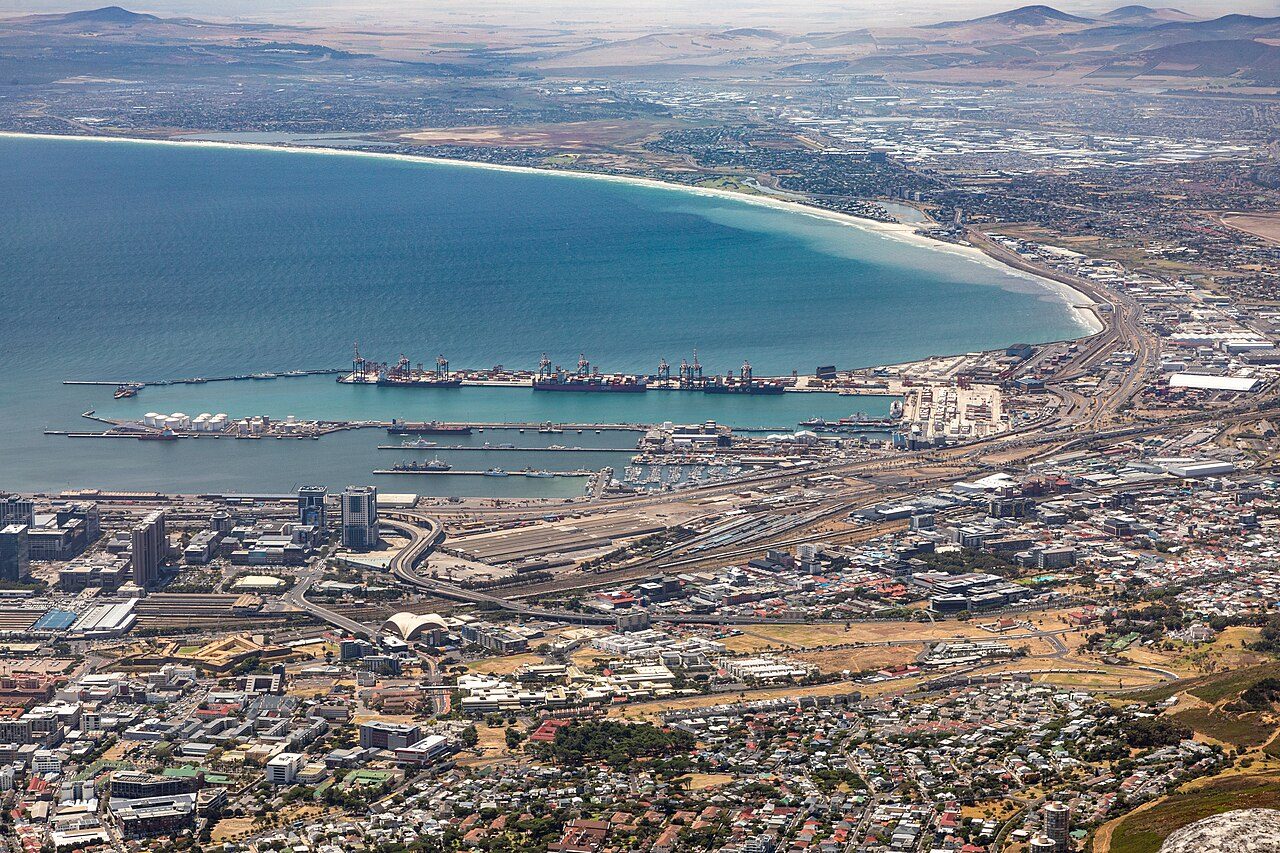
On 2 November, US Trade Representative Jamieson Greer announced that President Trump had notified Congress of his intent to remove South Africa from the African Growth and Opportunity Act as of 1 January 2027 — two months after Washington extended the programme itself to the end of 2028. The headline cost is modest. The timing is not: the duty-free door shuts on a calendar date, but the cargo that pays for it is loading now.
In September we argued that the extension to 2028 was a hollow reprieve for vehicle exporters, who had already lost the benefit to a separate US tariff. What changed this month is that the hollowness now reaches everyone else.
Greer's statement cites barriers to US trade and investment, corruption, and threats to US security and foreign-policy interests. Trade, Industry and Competition Minister Parks Tau has put AGOA exports at about $1.7 billion in 2025, down from $4 billion in 2024 — roughly 10% of what South Africa sells the US and about 1% of its global exports. Washington law firm Brownstein notes that precious metals and minerals, nearly two-thirds of South Africa's US exports in 2025, enter duty-free with or without AGOA.
So the pain is concentrated, not national. Presidential agriculture envoy Wandile Sihlobo estimates that losing AGOA adds about 3.4 percentage points on top of the 12.5% US tariff already in force, for a total near 15.9%. That is still well below the 30% rate of 2025, and Sihlobo stresses this is a tariff, not a ban.
| Export line (illustrative) | US duty to 31 Dec 2026 | US duty from 1 Jan 2027 |
|---|---|---|
| Typical farm export (citrus, grapes, nuts, juice) on Sihlobo's estimate | 12.5% | about 15.9% |
| Precious metals and minerals | duty-free | duty-free |
The exact post-AGOA rate is the US most-favoured-nation duty for each tariff line, and it varies line by line. Treat 3.4 points as an average to check against your own codes, not a number to quote a buyer.
What counts is when goods clear US customs, not when they leave Cape Town. Exporters Western Cape chairman Terry Gale has warned that December citrus shipments could reach US customs after 1 January, which changes the price and the buyer negotiation on fruit that left South Africa while AGOA still applied. A consignment that sails in mid-December on a preference it no longer has on arrival is the first casualty.
The fruit lines Sihlobo lists — citrus, berries, grapes, raisins, wine, fruit juices, apples, pears, apricots and nuts — are exactly the seasonal products that ship hardest in the southern summer. The US takes about 4% of South Africa's agricultural exports on his figures, so the hit is sharp for the growers and packhouses exposed to it and invisible to almost everyone else.
Every 3.4 points is $3,400 on a $100,000 consignment, payable at the US border. Who writes that cheque depends on the Incoterms in the contract, not on who caused it:
Either way, the 3.4 points enters your landed cost model on the buyer's side of the border — the price your US customer compares against every other supplier on the shelf.
The removal is not yet law. Brownstein notes the president must issue a proclamation before 1 January to take South Africa off the US tariff schedule's beneficiary list, and that a country can be reinstated outside the annual review by a new proclamation, as Gabon was in May. Congress cannot reinstate a country directly. Tau says South Africa has 60 days to address US concerns, and President Cyril Ramaphosa has said Pretoria will pursue a bilateral trade agreement instead.
Gale sees an opening in Democratic gains in both chambers of Congress, but the new Congress sits on 3 January — two days after the exclusion bites. Any reprieve before then has to come from the White House that just made the decision.
Plan for the exclusion to happen on 1 January and treat any reversal as upside. The duty is too small to kill most trades and too large to absorb silently on a fixed-price contract, which is precisely why it will be fought over invoice by invoice in January. Settle it now, while the cargo is still on the quay.